Stores Near a Closed Walmart Lose a Fifth of Sales in a Year
Shared with the help of partners
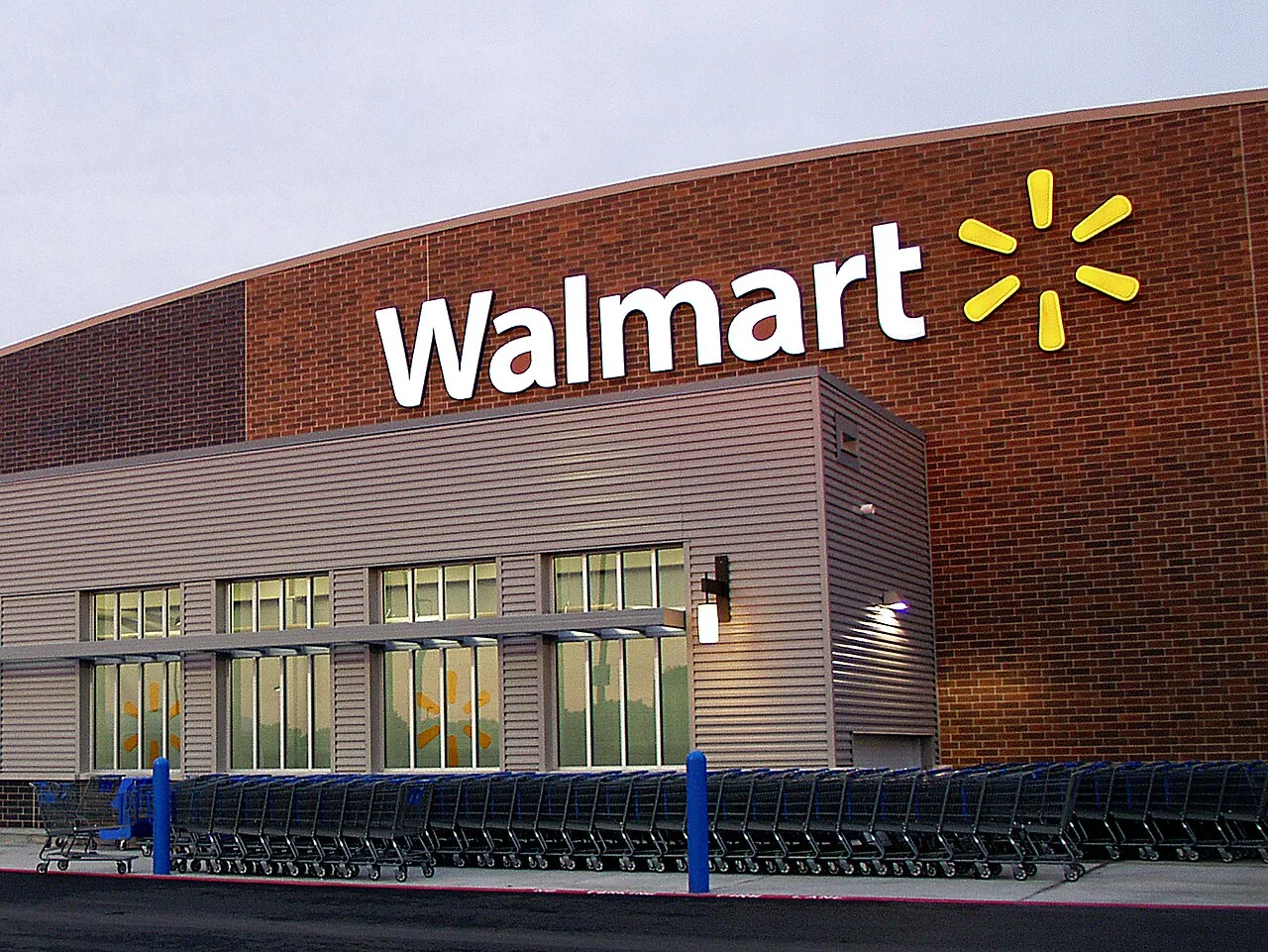
When a Walmart shuts, the neighbors are widely assumed to inherit its customers. A new study of dozens of closures points the other way: the shops next door got hurt.
Who held up better
Not every neighbor suffered equally, and the differences hint at what a big store really does for a street. Grocers and other close substitutes for Walmart sold more after the closure than shops that did not compete with it. That fits the idea of competitive relief: some displaced demand does move down the road.
Recognizable brands fared better than unbranded businesses. So did stores with more outlets of their own brand around them. A known name gives shoppers a reason to come that does not depend on the anchor.
Online reach helped as well. Stores with a higher share of revenue from online orders saw a milder drop in sales. The authors conclude that opening another location or expanding online sales can protect a retailer from an anchor closure.
How the decline unfolded
Three marketing scholars wrote up the findings. They combined closure dates with monthly store-level data on shopper traffic and spending. For each closed Walmart they picked nearby non-Walmart businesses and compared them with businesses near Walmarts that stayed open.
The sample covered 39 closures across 20 states between 2019 and 2026. Nearby stores lost roughly a quarter of their shopper traffic and sales compared with that control group.
The slide was gradual. It was about 5% in the month after the closure and 6% in the month after that. It reached about 17% in the ninth month and 20% a year out.
Traffic and sales moved together, which matters. Had shops merely sold less to the same crowd, spending per visit would have dropped. What the authors saw instead was fewer visitors.
The anchor and the rival in one store
The authors describe a tug-of-war between two forces. Competitive relief helps neighbors, because a strong rival is gone. Agglomeration loss hurts them: with the anchor gone, fewer people come to the area. Economists use "agglomeration" for the gain businesses get from sitting near other businesses.
The two can coexist. A shop might win a bigger slice of local demand and yet lose overall, when the number of shoppers coming to the area falls far enough. Earlier research had looked at the opposite event: when Walmart opens, nearby sales fall, though neighbors can adapt with range, prices and promotions. The authors say nobody had studied what happens when an anchor leaves.
Who bears the cost
A big retailer keeps or closes a store based on its own portfolio. A branch that looks weak to it can still send valuable traffic to the shops around it. Economists call this an externality: an effect on other parties that market prices do not reflect.
The authors draw three lessons. Neighbors should not count on a windfall, and managers should work out how much of their business depends on the wider shopping destination. Property owners should treat the loss as a threat to the rest of their portfolio. A quick replacement tenant matters, and ideally one that brings visitors to the area.
Local governments and development groups, they add, should look past the vacant building. They suggest faster redevelopment, easier shopper access arranged with local firms and landlords, or a fresh draw that brings visitors back.
Source: Fortune