OpenAI Reportedly Trims Funding Target as S&P Sours on Meta
Money for large AI spending plans is getting harder to raise. In the same week, OpenAI reportedly lowered its fundraising goal and a credit rating agency turned more cautious on Meta.
OpenAI aims lower
OpenAI cut the target of its latest round to $20 billion from $30 billion, according to sources cited by the Financial Times. The expected valuation fell to $1.25 trillion from $1.4 trillion. OpenAI did not immediately respond to a request for comment.
The report says the round was also upstaged by Anthropic, which is preparing to go public next month. Its S-1 filing, submitted on Monday, showed that revenue has soared and that cash flow turned positive in the first half of this year.
A rough week for big tech
The cut followed a brutal selloff in tech stocks. Quarterly results from the large cloud providers unsettled investors. Alphabet's cash flow sank deeper into negative territory in the third quarter, and its shares fell about 12% on Thursday, its worst day on record. Alphabet, Meta and Amazon are all pressing ahead with large spending plans.
There was good news too. Microsoft reported strong cloud growth and stayed cash flow positive, though it said its capital spending will accelerate. Chip maker SK Hynix beat earnings forecasts by a wide margin.
OpenAI was asking for capital while others were doing the same. This past week, Elon Musk said SpaceX closed $40 billion in debt financing. Meta announced plans to raise $95 billion in equity. Microsoft raised $25 billion in a bond sale.
S&P changes its view of Meta
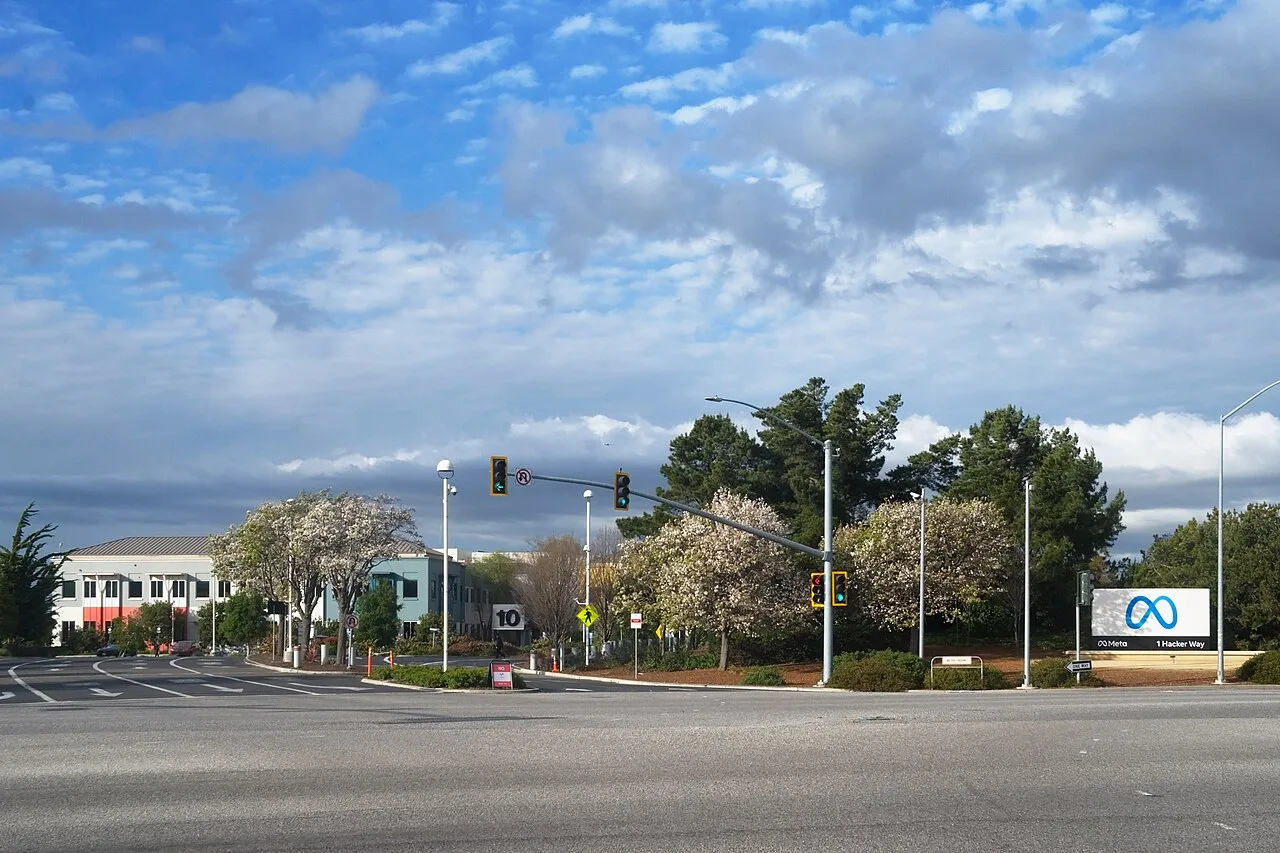
Late on Friday, S&P Global cut its outlook on Meta to "negative" from "stable." It kept the company at AA-. S&P cited negative cash flow and uncertainty over capital spending plans.
The agency warned that Meta's leverage could pass 1.0x as soon as 2027. That is the downgrade threshold for the current rating. Leverage was about 0.1x in 2025. S&P says the rise mainly reflects Meta's choice to lease data center capacity rather than issue debt.
S&P expects Meta's capital spending to reach $140 billion this year, $225 billion in 2027 and $252 billion in 2028, then level off. It sees free operating cash flow staying negative: -$22 billion this year, -$71 billion in 2027 and -$39 billion in 2028.
S&P also said Meta has less room to earn money from its AI investments than its peers. Rivals lease compute capacity to frontier model labs and enterprise customers. Meta disagrees, and a spokesperson pointed to "significant product and business opportunities" ahead.
Not everyone expects a bust
Market veteran Ed Yardeni argues the AI investment boom faces financial, physical and political limits. He sees them as healthy for its durability, since tighter capital could mean more efficient allocation. He expects the big cloud companies to keep access to financing, and he wrote that further jitters "could set up buying opportunities."
Our view
The two stories show that investors are starting to price AI spending, not only reward it. A smaller round for OpenAI may mean investors want clearer returns before they commit more. For executives planning their own AI budgets, it may be worth watching whether financing terms keep tightening. It is also unclear how much of the mood comes from one bad week and how much from a lasting change.
Source: Fortune