Kraft Heinz CEO: "Brand America" Is a Harder Sell in Canada
Made possible by our supporters
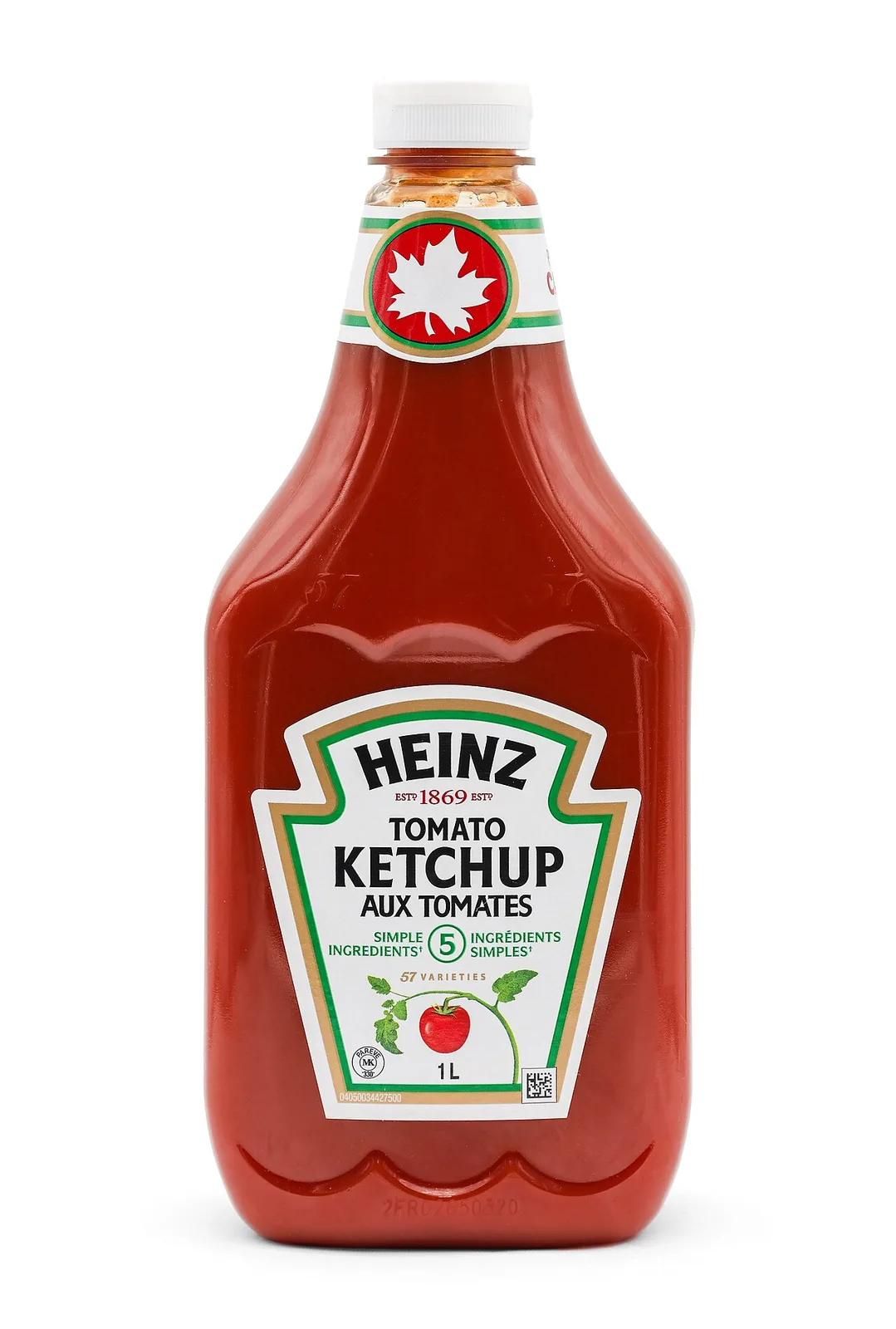
An American label used to sell itself abroad. Kraft Heinz now has to explain that its ketchup in Canada is Canadian-made.
Canada as a bright spot
Kraft Heinz is in a turnaround after a 10-year slump. Revenue fell last quarter, but growing sales in Canada offset part of the fall.
Kraft Mac & Cheese Cheesy Ramen reached Canadian shelves in July. According to CEO Steve Cahillane, three months of inventory sold out in a week.
Cahillane spoke at the Fortune 500 Innovation Forum in Detroit on Monday. The company, based in Chicago and Pittsburgh, makes Jell-O, Lunchables and Heinz ketchup. He said the made-in-the-U.S.A. label does not carry the positive meaning it once did, so the company has had to tweak its messaging.
Tariffs, threats and boycotts
Fortune points to trade tensions, including a 50% tariff on $20 billion of Canadian goods. It also cites President Donald Trump's repeated threats to make Canada the 51st state. Many Canadians have tried to boycott American goods in favor of Canadian ones, even as they keep investing in U.S. assets.
Some of that shows up in the U.S. economy. A Canadian government report published last month found that visits from Canadians to the U.S. were 29% lower in September 2026 than two years earlier, even though they had begun to recover. The U.S. Travel Association says those drops cost the U.S. economy $4.5 billion last year.
A badge of honor, now complicated
"Brand America is not as strong as it once was, and that's been the case for some time," Cahillane told Fortune's Diane Brady. In the 1950s through the 1980s, he said, it was a badge of honor. Today it is more complicated.
Telling Canadians where it is made
The company has reassured Canadian shoppers that its products are made in Canada. In March, Kraft Heinz Canada announced a $250 million investment in its Montreal production facility.
"We had to remind the Canadian consumer that all of the Heinz ketchup that they're consuming in Canada is made in Canada," Cahillane said. The pitch is local: made in your backyard by your friends and neighbors.
Adapting to the tariffs
The company was hit hard at first by import taxes. In May 2025 it said it would need to shift suppliers and might reformulate products.
Being local is no longer enough, Cahillane told Fortune. The company has to go hyperlocal, he said, which means building in redundancy and the ability to move faster than it ever has.
Source: Fortune