Rivian to License Its AI Assistant to Volkswagen Group
Your daily brief on leadership and business
Rivian is licensing elements of its AI voice assistant technology to Volkswagen Group as part of their joint venture, according to the company's third-quarter investor presentation, released on Thursday. It widens a partnership that VW has committed to invest up to $5.8 billion in.
Rivian did not disclose licensing fees, payment terms or which Volkswagen vehicles will get the technology. The assistant could make its VW debut in the ID EVERY1, the automaker's low-cost EV. That small four-door hatchback is slated to be the first VW vehicle to use Rivian's software and electrical architecture under the venture.
Rivian called the move "a proof point for the extensibility of the platform we've built in-house."
How the venture has grown
The companies first announced a joint venture valued at up to $5 billion. Within months, VW raised its commitment to invest up to $5.8 billion in Rivian by 2027. The independent company that formalized the tie-up started up in November 2024. It focused on bringing Rivian's electrical architecture and software to Volkswagen's next generation of vehicles.
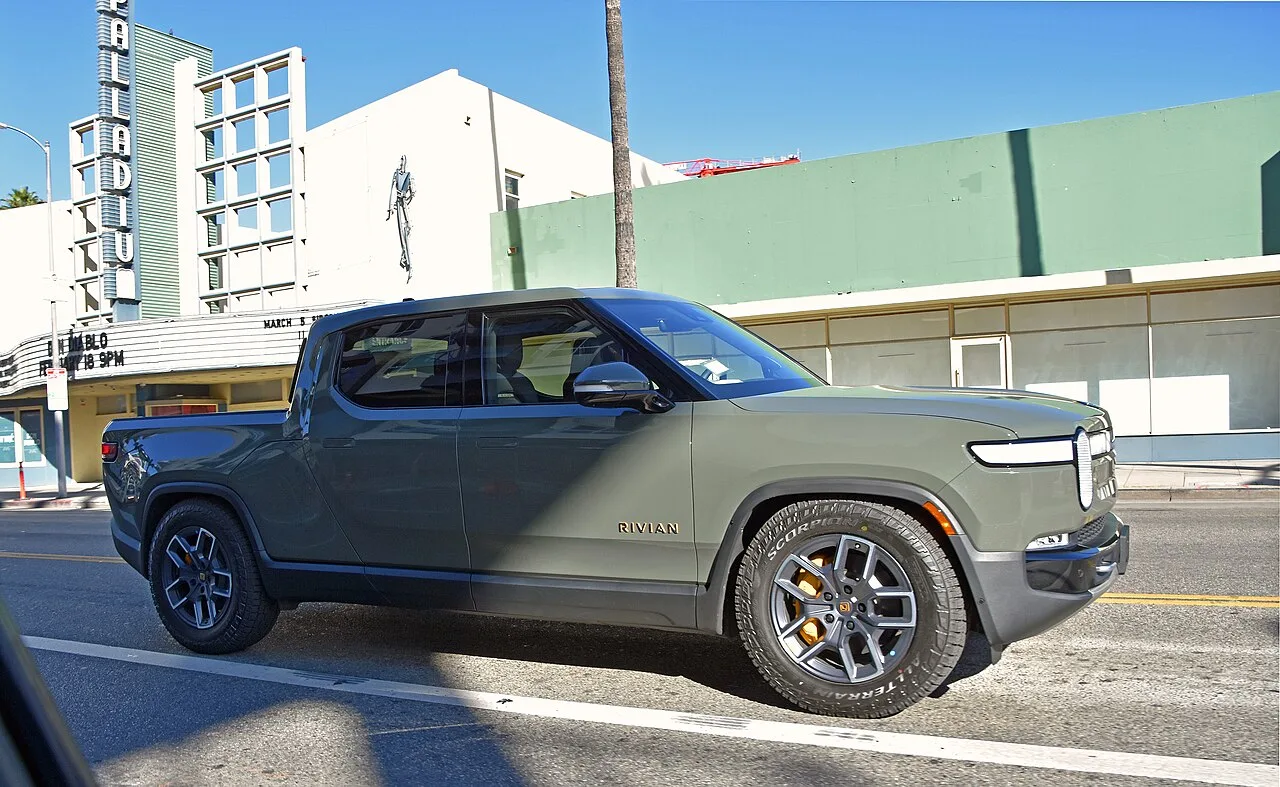
Rivian worked on the assistant for two years before showing it off last year. Development ran longer than expected. The assistant reached the R1S SUV and R1T pickup in May 2026, and the new midsize R2 SUV in October.
The assistant lets drivers and passengers talk to the vehicle and control certain functions. CEO RJ Scaringe told TechCrunch at Disrupt 2026 that Rivian built its own agentic framework. It works out what action a person wants and routes it to the right part of the car's software. He said that could eventually let Rivian vehicles run AI agents from other companies, including Anthropic.
The assistant fits the vertical integration strategy that Rivian stressed in its quarterly report. "Our relentless focus on vertical integration remains a core competitive differentiator," the company said in the presentation. Rivian says that because it controls the whole technology stack, including compute, sensors, displays, lighting and sound, it can roll out vehicle-wide over-the-air updates that go beyond the basics.
On the overhauled R1T and R1S, the new electric architecture cut the number of electronic control units from 17 to seven. Rivian argued that this foundation would let it build vehicles that can handle the computing load of advanced software and automated driving.
Source: TechCrunch