Study: Founder CEOs Misstep Less When a No. 2 Can Push Back
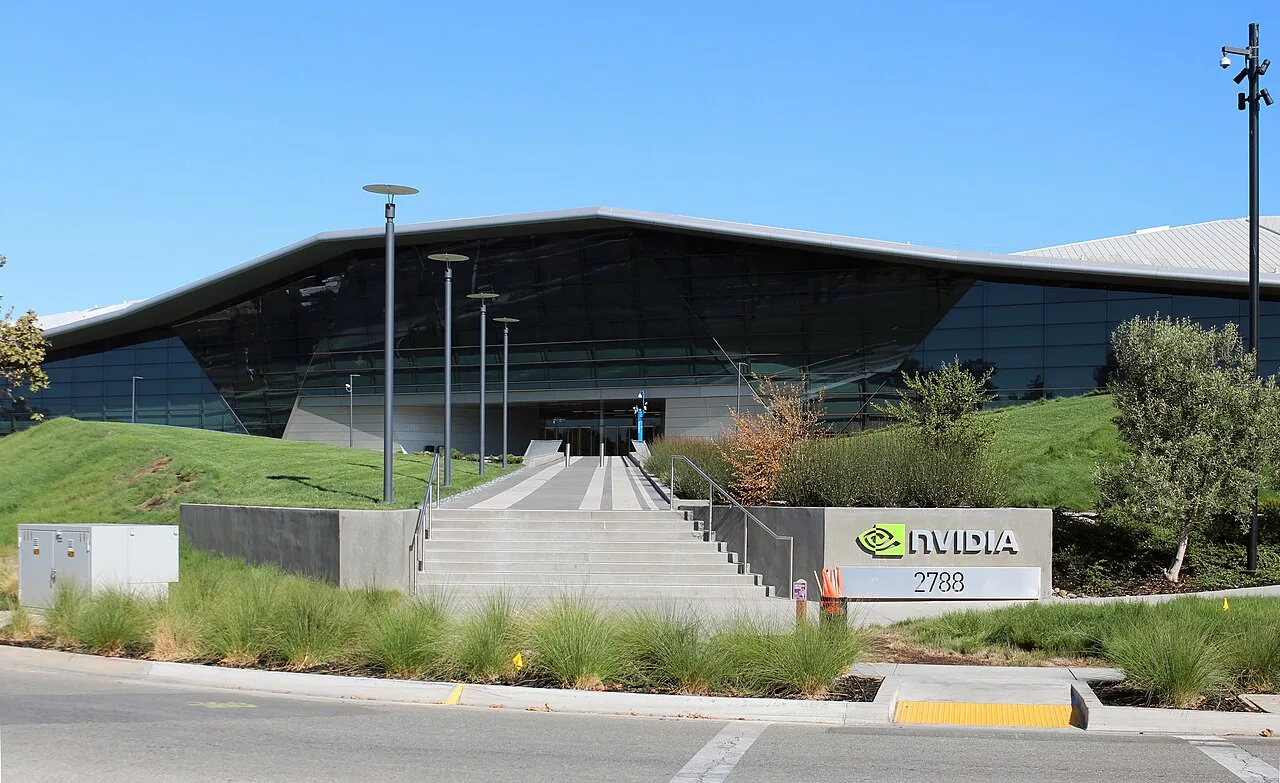
Shared with the help of partners
Nvidia's board has brought Jensen Huang back as CEO, but researchers say the company's structure still carries a lesson for other founder-led firms. Their work finds that a founder-CEO with a COO or non-CEO president at their side is linked to fewer ethical incidents.
The structure behind the Nvidia story
On November 12, Nvidia's board announced that Huang had resigned. Reports said he had been romantically involved with a woman tied to China's Ministry of State Security and with a company employee. The board brought him back a little over a week later.
The authors say companies should take note of the structural questions. Huang's biographer Stephen Witt wrote in The New York Times that Huang has no number two and has never prepared anyone to succeed him. Huang ran the company with as many as 60 direct reports.
Former executives told the Times that the company had weighed a more conventional setup for years, but Huang resisted it. Arm CEO Rene Haas recalled: "He felt it would create competition among executives and be divisive."
The board around him had gaps too. It had no chief compliance officer and no chair until the day Huang resigned, and its members had served 161 years combined. Three directors, Huang among them, had been there since the company's founding in 1993. The authors say these features, thin oversight, many direct reports and no deputy or succession plan, tend to appear together.
What the two studies found
The first study covered 504 S&P 1500 firms from 2008 to 2020, a group broadly like Nvidia's own peers. Misconduct was measured with RepRisk data, which screens more than 150,000 public sources. Firms led by founders had roughly twice as many incidents as other firms.
The second was a three-wave survey of startup founders. It points to one possible source: founders may carry the survival mindset of a startup's first years into a time when the company is no longer at risk. Huang has described Nvidia for decades as a month away from going out of business. He told Joe Rogan last year that the feeling does not change even at a multitrillion-dollar valuation.
Founders also tend to feel close to what they built. In one neuroimaging study of 21 entrepreneurs and 21 parents, thinking about a venture produced brain activity much like a parent's when thinking about a child.
Why a deputy changes the picture
Founder-led firms with a second-in-command showed substantially fewer incidents. In other firms, the role made no significant difference. Most founder-led firms in the archival sample had one. Nvidia did not.
The authors give two reasons. A founder who must explain a decision to a capable deputy will weigh it more carefully. And a deputy who runs the day-to-day stands between the founder and employees, so an order can be questioned or changed on its way down.
Nvidia's structure removed most of that filter. Huang preferred to give feedback in front of the group rather than one-on-one. Witt described a culture of silence and executives who appeared afraid of him. A flat structure has real advantages, the authors note, but it left almost no one able to hold the founder to account.
What the authors tell directors
A deputy helps only if independent of the founder. Theranos is the authors' example: Sunny Balwani was Elizabeth Holmes's COO, but they were secretly a couple, and both were later convicted of fraud-related charges. Huang's two children and his son-in-law all hold senior roles at Nvidia.
Boards should take part in choosing the deputy and could let that person meet directors regularly with no founder in the room. A strong deputy also gives the board a succession option. When Huang left, Nvidia named CFO Colette Kress interim CEO, and her role ended up short-term after his return.
Other founders built this bench on purpose. Airbnb's Brian Chesky has said his first outside executive hire, Belinda Johnson, told him: "If people don't like you, you should meet with them."
Michael Dell did the same as a young founder: he hired Mort Topfer as COO, and Topfer became a key mentor.
Nvidia's board is reportedly adding oversight such as a new national security committee.
Source: Harvard Business Review