Why Counting a Data Center's Water Use Is So Hard
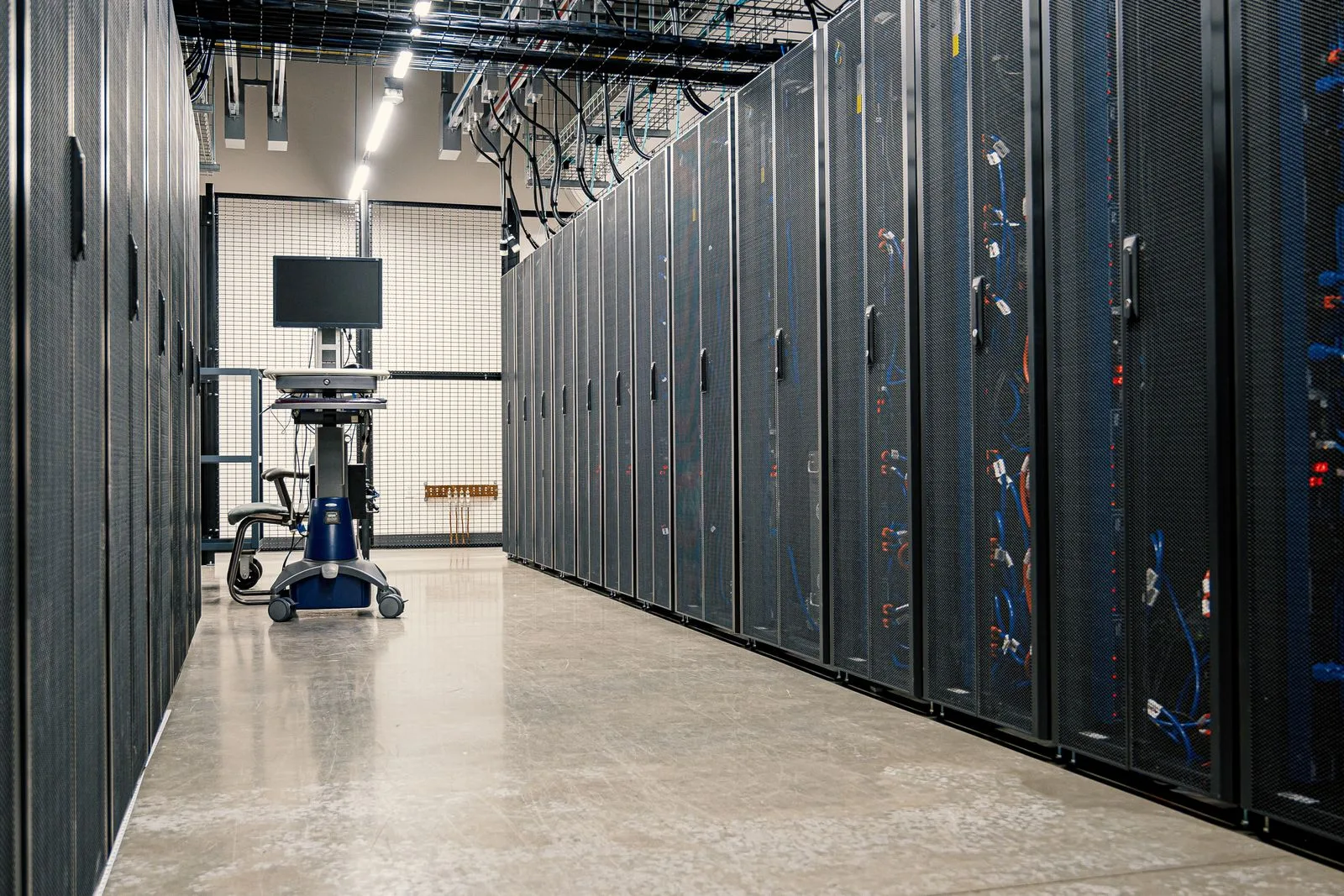
Water is one of the top worries behind the vote against AI data centers. But the number each site uses is hard to pin down, because operators typically report usage across the whole company, not site by site.
Voters set limits, numbers stay vague
This week voters passed 40 of 41 proposed ballot measures that would restrict some of the more than 2,000 new facilities planned across the country. Shaolei Ren, a data center researcher and professor at the University of California, Riverside, says giant 1-gigawatt AI data centers can consume up to 10 million gallons of water per day. The exact figure depends on the hardware, the location and the cooling method. CNBC reports that this complexity has left room for misinformation from both builders and opponents.
Air, liquid and the heat that has to go somewhere
Legacy facilities with lower-power servers are often air-cooled. Modern AI buildings hold denser graphics processors that run very hot. Equinix sustainability head Christopher Wellise said water is about 3,000 times more efficient than air for cooling them. That is why Nvidia's Vera Rubin and AMD's Helios racks rely on liquid cooling, and why most large AI data centers use closed-loop systems that use very little water day to day.
CNBC saw one at an Equinix site in San Jose, where eight Nvidia Grace Blackwell racks owned by the startup Alembic are cooled this way. Equinix does not disclose water use at single sites. Across its operations it consumed 1.2 billion gallons in 2025, up 10% from a year earlier.
The outside loop decides the total
Closed-loop cooling inside does not settle the total, which depends far more on a separate cooling process outside. "How do we reject the heat from the closed loop to the ambient environment?" Ren asked. "That's where the water usage comes in."
Meta's 1GW site in Lebanon, Indiana shows the gap. The company says the site will reuse the same water in a sealed liquid-cooling loop and need none at all for most of the year. Its law firm, however, put water allocation at up to 8 million gallons per day by 2031. Meta says that is peak use on the hottest days, projected for only a few days a year.
There are two main outside methods. Dry cooling uses far less water, but the fans and chillers behind it can draw much more electricity, above all in hot regions where many AI campuses are being built. Wellise said no option is free of trade-offs, because the heat has to leave for the atmosphere somewhere.
Source: CNBC