EEOC Counsel Nominee Pressed on Gender Identity Cases
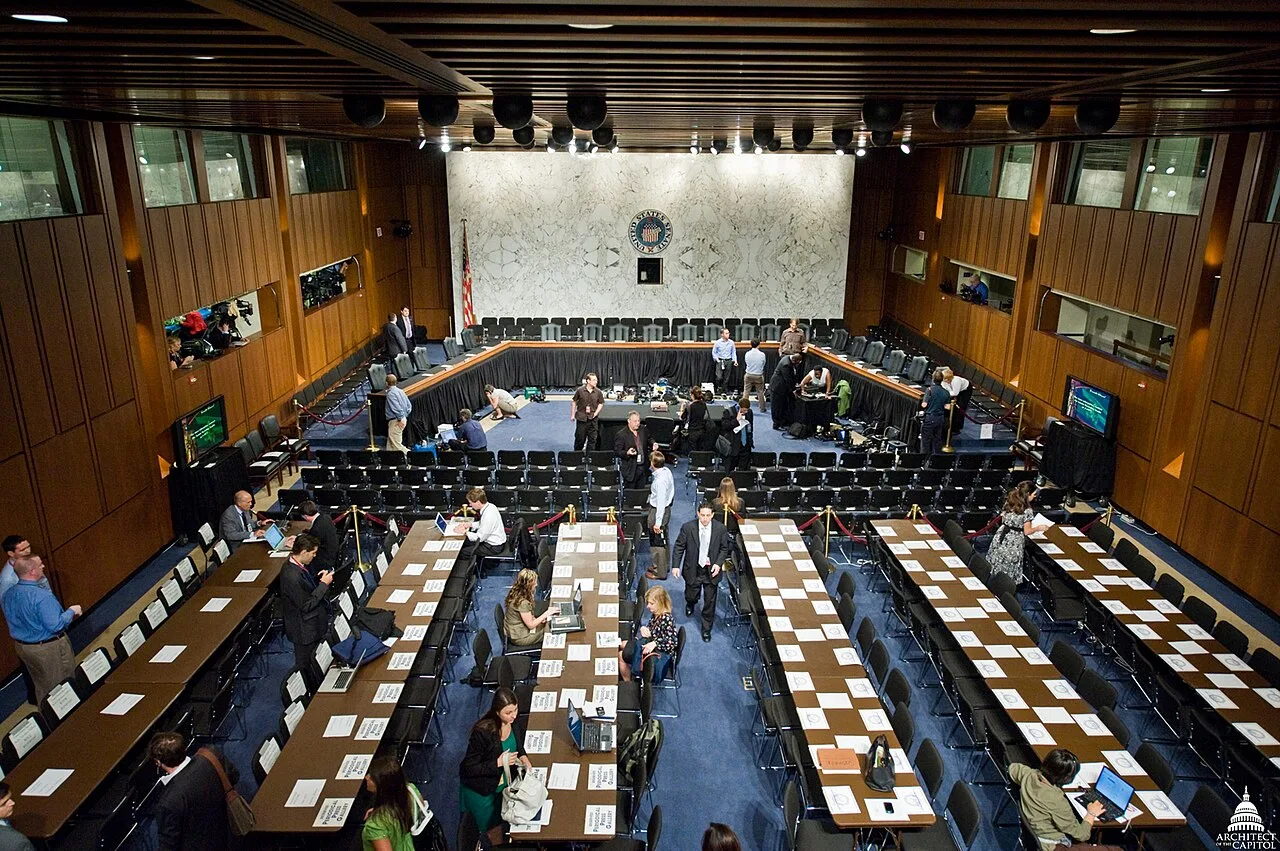
The Senate hearing for the EEOC's general counsel nominee turned into a preview of the compliance fights employers may face next year. Senators questioned Catherine Eschbach on topics the agency has stepped back from, and several of her answers stayed general.
The attorney on her staff
One exchange came from Sen. Angela Alsobrooks of Maryland, a Democrat. She asked about assistant general counsel Benjamin North, who reports directly to Eschbach. In 2014, she said, his university ran a Title IX investigation after a fellow student accused him of rape. He was then suspended for two and a half years.
Eschbach answered that, to be admitted to the Virginia State Bar, North had to show by clear and convincing evidence that he was of good moral character and fit to practice law. Alsobrooks asked again whether such a person should lead EEOC cases. Eschbach gave the same reply.
According to The Intercept, North has maintained his innocence and later sued his college over the suspension.
Abandoned disparate-impact claims
Sen. Tim Kaine, a Virginia Democrat, objected that the agency had given up disparate-impact claims. He called them an important part of civil rights law. His example was an employer that turns away anyone absent from a previous job for more than 20 days in a year, a rule that screens out women and people with disabilities at higher rates.
Eschbach said that decision came before she was appointed. Her job, she said, is to litigate, while the commissioners handle the agency's policy-making. Kaine asked: "Do you follow the commission's directives or the law?" She answered that she would uphold the law and the Constitution.
Gender identity: the same answer, repeated
Sen. Tammy Baldwin, a Wisconsin Democrat, pointed to the EEOC's abandonment of lawsuits on behalf of LGBTQ+ workers. She asked whether the agency must protect workers fired over gender identity or sexual orientation. Eschbach said she was committed to enforcing the laws within the agency's jurisdiction for all American workers. Baldwin pressed. Eschbach repeated herself.
On harassment, she again gave a general answer. Then she conceded that the Supreme Court's Bostock decision applies Title VII to such groups "in the termination context." Baldwin asked whether she would bring cases on hiring, promotions, harassment or pay tied to gender identity. Eschbach said she would judge each case on merit, factual sufficiency and whether it suits the commission's resources.
Pregnancy and AI
Near the end, Baldwin asked about the Pregnant Workers Fairness Act and whether firing a worker for having an abortion is unlawful. Eschbach said the Justice Department, on the EEOC's behalf, told the 5th Circuit that the law would not cover abortion. That court is reconsidering a challenge to the act's enforcement. The challenge argues the act passed improperly, since fewer than half of the voters attended in person and the others used proxies.
Asked about new guidelines under the act, she said any regulatory changes would be made by the commissioners.
Sen. Bill Cassidy, a Louisiana Republican who chairs the committee, asked about AI tools and about balancing pattern-or-practice cases against individual ones. Balancing, Eschbach said, depends on context. On AI, she confirmed that discrimination laws apply whatever tools employers use. She pointed to an agency suit and settlement with an e-learning company, where the EEOC alleged that recruiting software screened out older applicants.
Her stated priorities
The committee held the 35-minute hearing on Tuesday. Eschbach has served as the EEOC's principal deputy general counsel since September 2025. She opened by saying she would build on work already under way and would continue President Donald Trump's merit-based civil rights agenda.
Her listed priorities came from the agency's national enforcement plan. They include DEI-based discrimination, national origin discrimination against American workers, protecting women and protecting the rights of religious Americans.
Source: HR Dive