Salesforce Buys 500,000 Rice Methane Credits in India
Your daily brief on leadership and business
Salesforce has agreed to buy 500,000 carbon credits over five years from Mitti Labs, a startup that works to cut methane emissions from farming. The credits will come from projects that help tens of thousands of smallholder farmers in India change how they grow rice.
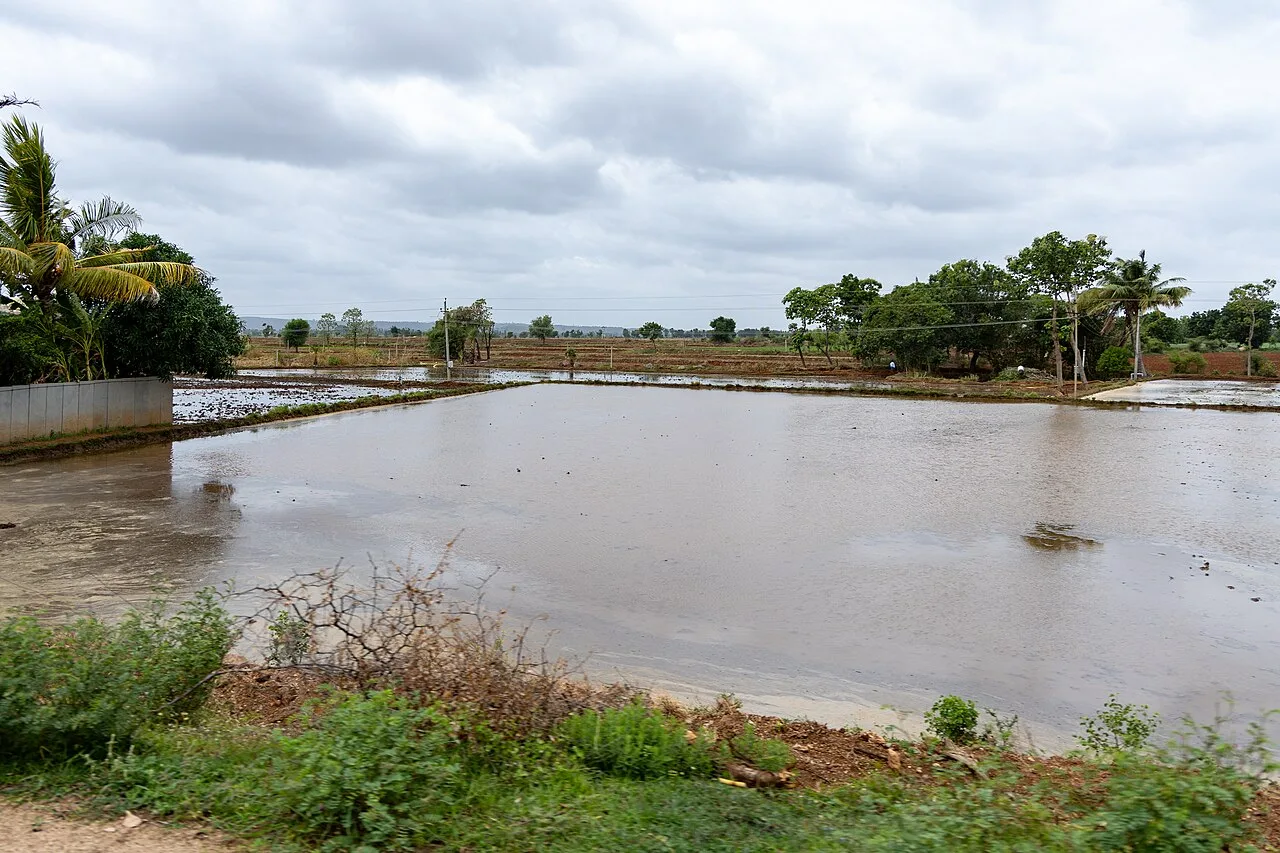
Rice is usually grown in continuously flooded paddies. That practice accounts for about 12% of global methane emissions, making it the second-largest source of agricultural methane after livestock.
How the credits are generated
The projects use alternate wetting and drying, which lets fields dry out periodically during the growing cycle. Methane forms in oxygen-depleted soil, and the method can cut those emissions by up to 50% and water use by up to 40%, without affecting crop yields.
Mitti Labs was founded in 2023. Its GeoAI platform, built with support from NASA, uses satellite radar imagery and field data to track flooding, soil moisture and crop health. That evidence is used to verify the emissions cuts behind each credit.
Mitti Labs says the new agreement is expected to save 700 billion liters of water, roughly 18 months of Bengaluru's annual supply. That would help reduce pressure on groundwater in regions where agricultural, urban and industrial users compete for water. The company plans to issue 2 million credits a year by 2028 from projects in India and Southeast Asia.
In September 2026, Mitti Labs agreed to sell Google one million carbon credits over four years. It was Google's largest superpollutant carbon credit agreement to date.
Methane is one of the so-called superpollutants. According to the IPCC, these gases are responsible for almost half of global warming to date. Most stay in the air for less time than CO2, but they trap heat tens to thousands of times more powerfully.
Earlier this year Salesforce joined the Superpollutant Action Initiative, together with Amazon, Autodesk, Figma, Google, JPMorganChase and Workday. The group aims to channel $100 million to solutions that reduce superpollutants.
"We know that superpollutant reduction is one of the best ways to slow near-term warming, and we are committed to directing capital toward high-impact mitigation efforts," said Jamila Yamani, Director of Climate & Energy at Salesforce.
Source: ESG Today