Meta Signs Multi-Year Deal for Fortera Low-Carbon Cement Credits
Your daily brief on leadership and business
Meta has agreed to buy environmental credits from Fortera, a California maker of low-carbon cement. The two companies announced the multi-year deal on October 30.
The credits are tied to cement whose carbon footprint is 70% below that of ordinary Portland cement. Meta will buy certificates for about 200,000 tons of Fortera's product. Companies use such certificates to address emissions in their supply chains. The money also helps pay for more manufacturing capacity, and the buyer does not have to take delivery of the cement itself.
Meta keeps the option to use the cement in its own construction projects. It can also expand the volume and length of the partnership in later years.
Financing for a Missouri plant
According to Fortera, the agreement gives it long-term revenue visibility. That lets it secure financing for new production facilities. Fortera said the deal supports development of its cement plant in Ste. Genevieve, Missouri.
Meta said the agreement links its demand for low-carbon cement with domestic supply in markets where it is building. It added that long-term purchasing can help bring low-carbon materials into the construction supply chain.
Devon Lake, Meta's Head of Net Zero Strategy, said: "A multi-year commitment is what gets a cement plant financed." He said the deal helps move the Ste. Genevieve plant from plan to production. In his words, that means construction jobs, long-term manufacturing jobs in Missouri and low-carbon cement available to builders well beyond Meta.
The technology
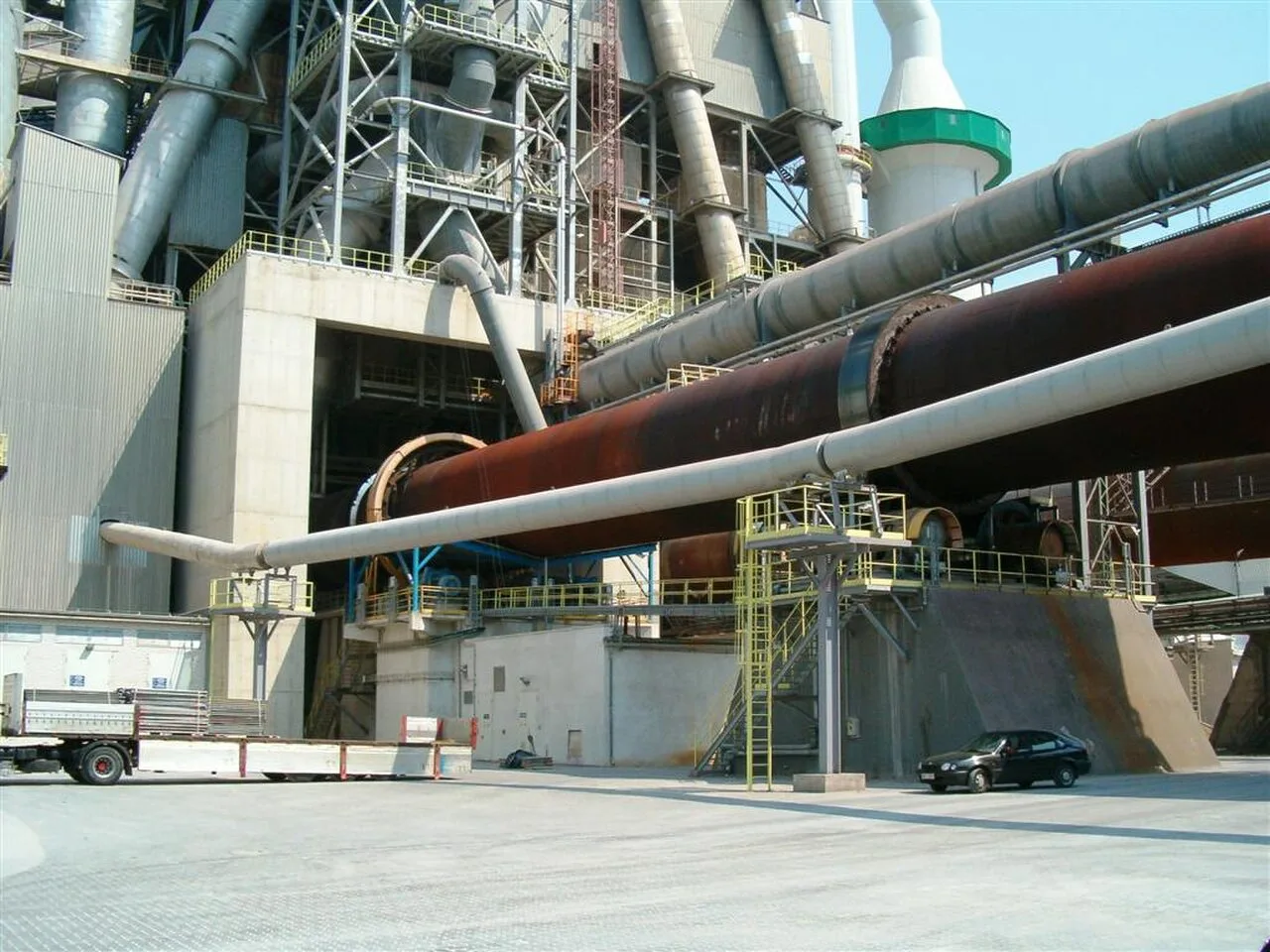
Fortera was founded in 2019. Its ReCarb technology captures industrial CO2 emissions and converts them into feedstock for ReAct cement. Fortera says ReAct has a carbon footprint about 70% lower than ordinary Portland cement. The company says the technology can be added to existing cement and lime facilities. Manufacturers keep their kilns and distribution networks, and Fortera says the cement is produced at cost parity with ordinary Portland cement.
Cement production accounts for roughly 8% of global CO2 emissions and is among the harder industrial sectors to decarbonize.
Fortera CEO Ryan Gilliam said: "Using waste CO2 as a primary feedstock turns cement decarbonization into a new economic engine for the United States." He added that the company wants communities with economies built around cement and lime production to stay strong as the industry decarbonizes.
Source: ESG Today