UN Report: Overshooting 1.5C Would Leave Lasting Ice Loss
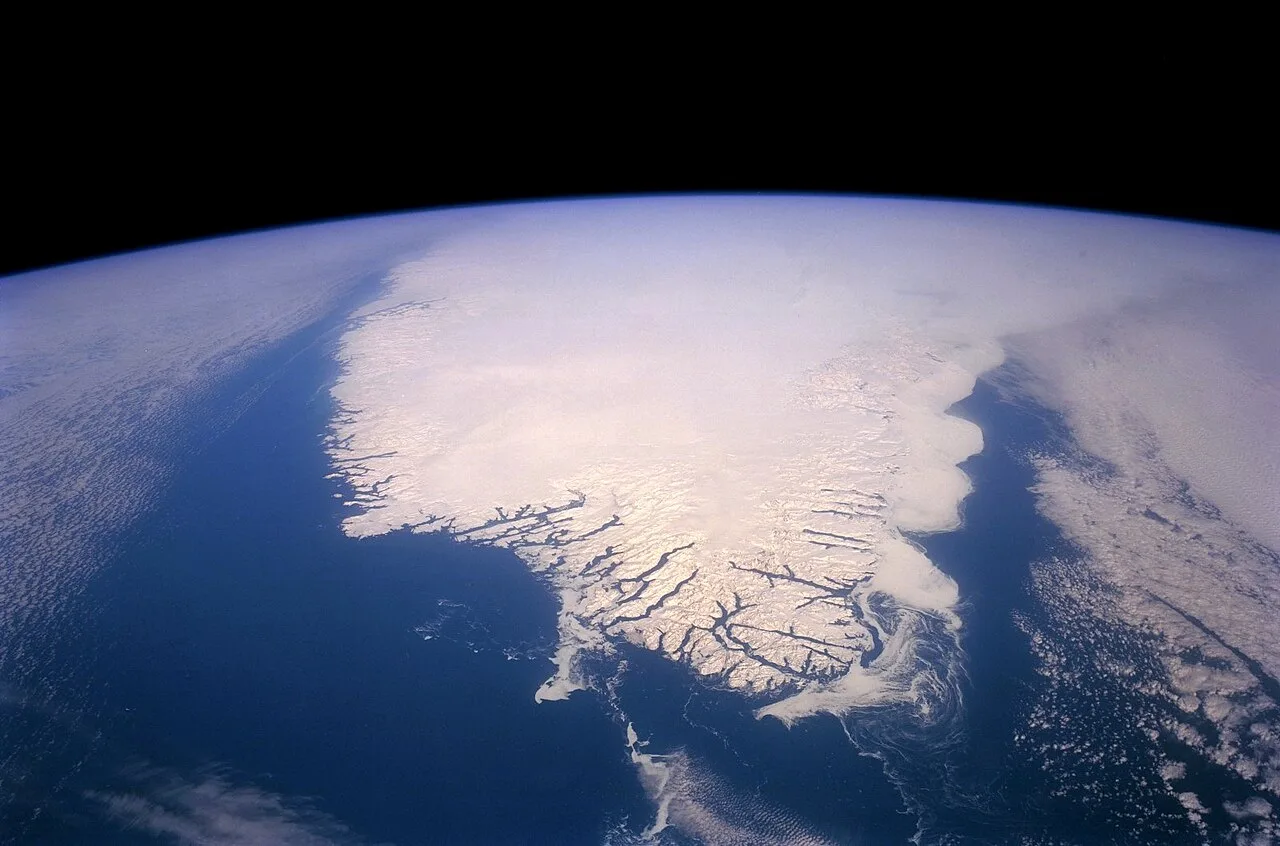
Part of the harm from letting the planet run past 1.5C cannot be reversed later, a UN-backed report on snow and ice concludes. Even a brief overshoot would leave glaciers and polar ice sheets permanently diminished.
Mountain ice under two scenarios
The report compares what survives at different levels of heating. Under current policies, which lead to 2.8C, glacier mass would drop below 10% in the Rockies, Alps, Iceland and Scandinavia. If warming were held at 1.5C, roughly 20-35% would remain there.
The Hindu Kush Himalayas matter for water supply, since their glaciers feed nearly a quarter of humanity. Current policies would leave 41% of the ice mass. At 1.5C, 83% would stay.
Glaciers are still catching up with past warming. Even if long-term heating fell back to 0.8C, they would keep only about 70% of today's volume over centuries.
James Kirkham, lead author of the report, also pointed to losses already under way. By his account, Switzerland has shed a fifth of its glacier ice over five years, and over the coming decade he expects thousands of glaciers around the world to go extinct each year.
Greenland and Antarctica
The two big ice sheets are shrinking about six times faster than in the 1990s. In the report's scenarios they go on losing ice even when the overshoot is short and temperatures settle at 1.5C. The scientists place a safe long-term limit for them nearer to 1.0C of global heating, perhaps lower.
Kirkham, an ICCI glaciologist, said snow and ice answer quickly even to small steps of warming. Recovery is slow, though: most of these systems need centuries or millennia once the overshoot ends, and more so when tipping points are crossed and changes become essentially irreversible.
Challenging the overshoot idea
Eighty scientists convened by the International Cryosphere Climate Initiative (ICCI) and the UN Environment Programme wrote the report. They say the permanent losses undercut a "persistent myth": that going past the Paris target of 1.5C, to 2C or 3C, is tolerable, or even a better choice than rapid emissions cuts.
The world has warmed 1.3C since pre-industrial times. Scientists now regard some overshoot as inevitable. Their advice is to keep temperatures above 1.5C for as short a time as possible and to remove enough carbon from the air to bring long-term warming below 1C, ideally by 2150.
Expected peak temperatures of about 3C under current policies would thaw nearly all near-surface permafrost. The report also calls "severe and possibly abrupt" disruption to ocean circulation likely, along with widespread acidification. Newer studies indicate that sea ice takes longer to regrow than scientists had assumed.
The report lands as leaders and diplomats head to Turkey for Cop31, the climate conference. Last month a UNEP report said emissions must fall 18% by 2030 and 45% by 2035 for a good chance of holding warming to 1.7C.
Our view
Seen through ice, a later fix looks weaker than it sounds: lowering temperatures afterwards does not bring back what melted. That undercuts any plan that leans on future carbon removal to excuse slower cuts now. What delegates carry into the Turkey talks will show whether the overshoot argument loses ground, given that current policies still point to about 2.8C.
Source: the Guardian