NYK Reports Scope 1 and 2 Emissions About 21% Below FY2021
Your daily brief on leadership and business
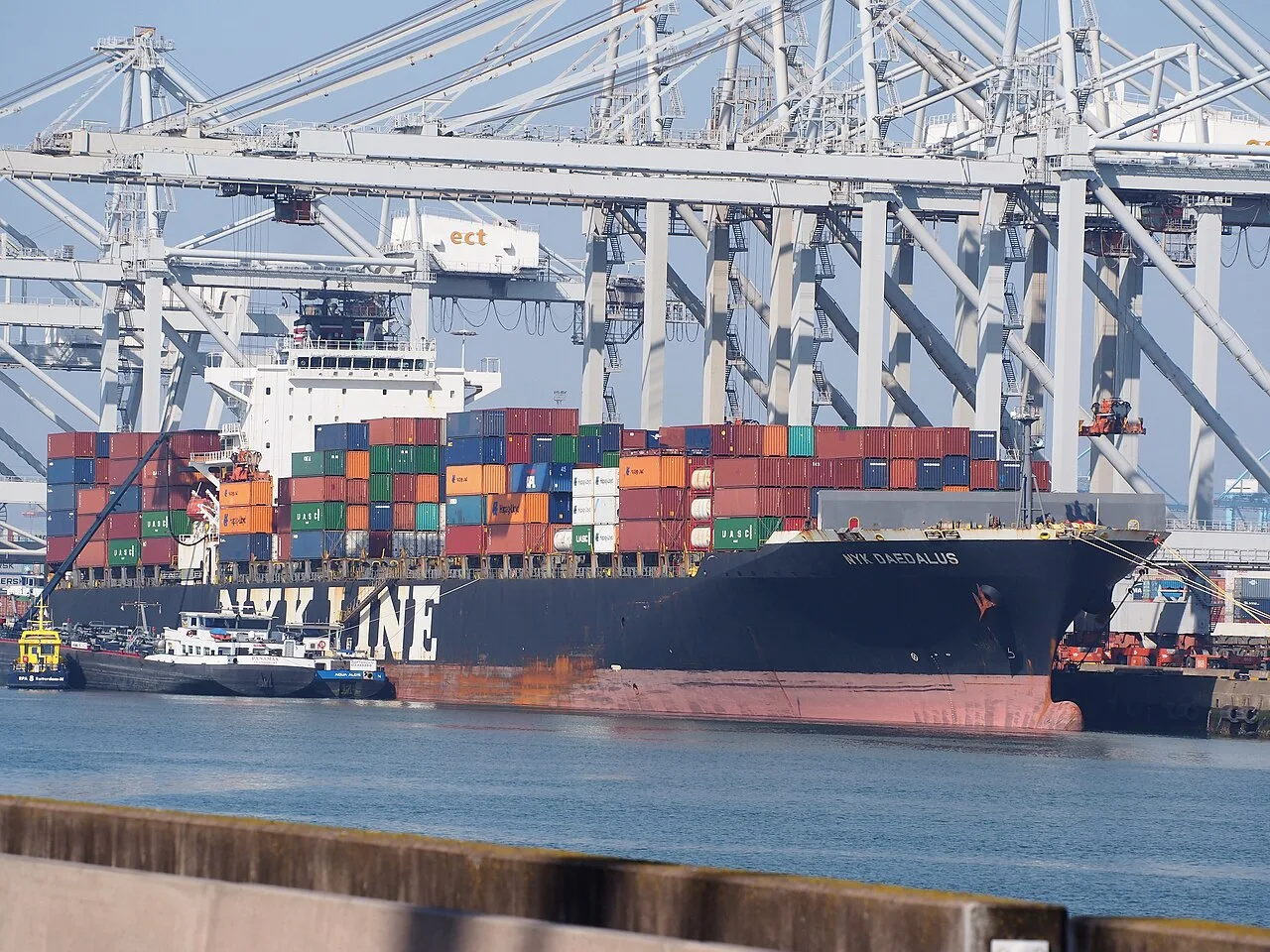
Japan's NYK has published Progress Report 2026 on its Group Decarbonization Story. The report says Scope 1 and 2 emissions in fiscal 2025 were about 21% lower than in fiscal 2021.
Compared with fiscal 2024, emissions fell by roughly 1.2 million tons of CO2e. About 0.6 million tons of that came from decarbonization measures: wider use of low-GHG fuels, dual-fuel vessels, and better vessel performance and operational efficiency. The remainder mostly reflected changes in the group's business portfolio.
The report adds that demand for low-GHG transport has grown more slowly than expected, with geopolitical uncertainty and energy security concerns cited as factors.
Fuels and ships
Low-GHG and alternative fuels made up 12.2% of fuel use in fiscal 2025. The group's fleet of alternative-fuel vessels went from 26 to 35 over the year.
In May 2026 NYK started a 12-month trial of B100 biofuel, made from used cooking oil, as the primary fuel on a PCC. The aim is to measure the effect of continuous use on the engine and to set safe operating guidelines.
On ammonia, the Sakigake tugboat, described as the world's first commercially operated ammonia-fueled tug, has two years of operating experience in ammonia mode. NYK puts its GHG reduction at up to about 95%. An ammonia-fueled medium gas carrier, still to be delivered, has completed the first ship-to-ship ammonia bunkering to an ammonia-fueled vessel. An ammonia-fueled car carrier and an ammonia bunker vessel are also planned, built around what the report calls the first integrated commercial ammonia fuel supply and transport model.
International Car Operators, NYK's wholly owned vehicle terminal operator in Europe, runs 11 wind turbines and 12,600 square meters of solar panels. Five more turbines are under construction at the Zeebrugge site. The company aims for 100% renewable energy by 2030.
Scope 3, carbon removal and Ro-Ro
NYK has widened its Scope 3 accounting across major subsidiaries. A review of purchased goods and services data against GHG Protocol guidance led to a significant drop in the emissions reported for that category.
On carbon dioxide removal, NYK is moving beyond removal credits to biofuels enabled by carbon capture and storage. Capturing and storing the biogenic CO2 from biofuel production lowers the fuel's certified carbon intensity. NYK also continues to press for CDR to be included in international regulations.
As a founding member of the Global Ro-Ro Community, NYK worked with 11 industry peers, representing about 80% of the global Ro-Ro fleet, on a common method for calculating cargo-based GHG emission intensity.
Source: NYK Line