Omen AI Buys Aquatic Labs in $16M Deal for Data Center Sensors
Published thanks to our partners
Omen AI is acquiring competitor Aquatic Labs in a $16 million cash-and-stock deal. Both companies build real-time water sensors for data centers.
The water problem behind the deal
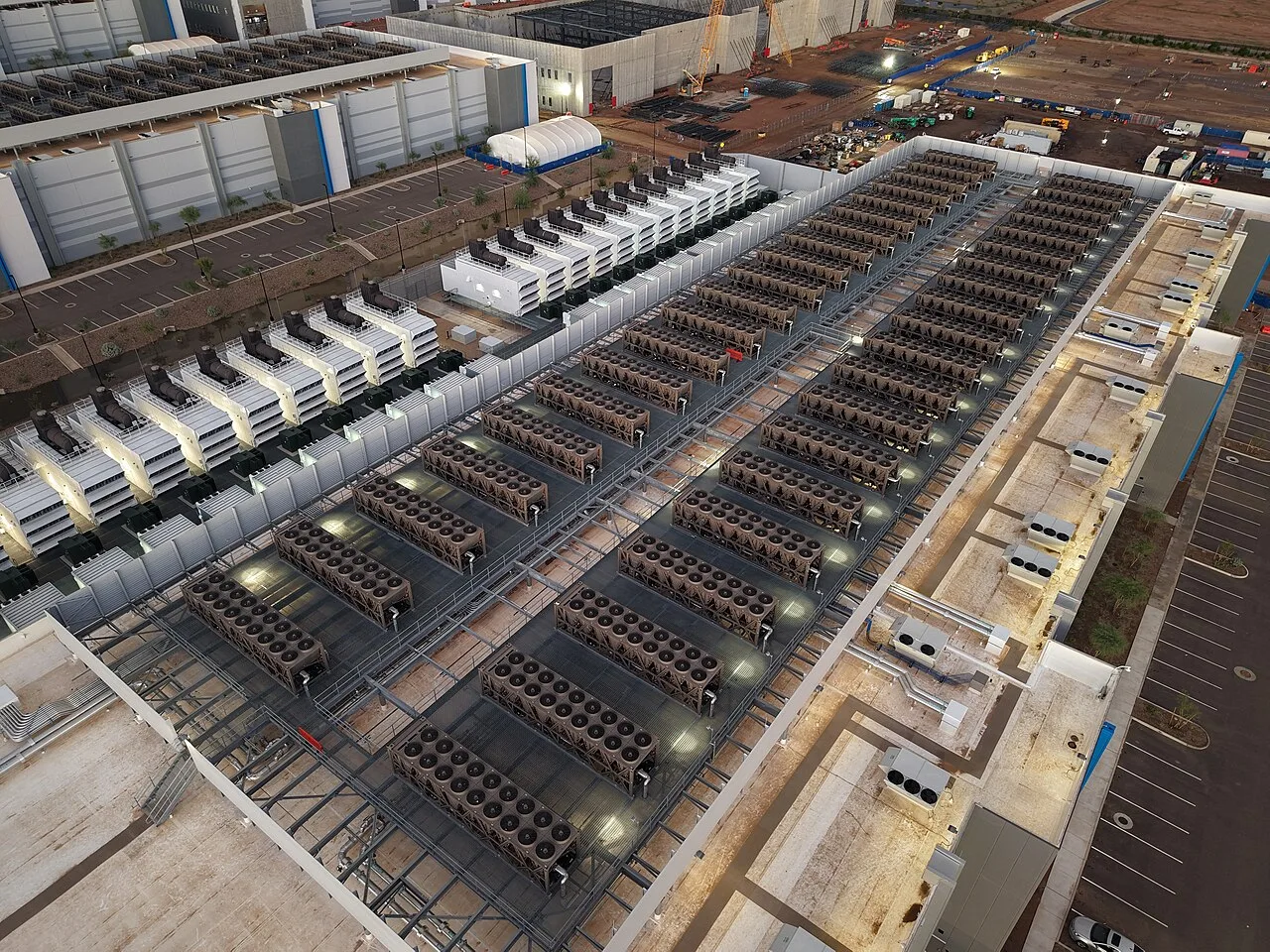
U.S. data centers use 17 to 19 billion gallons of water a year to cool their chips, according to The Water Foundation. That figure is expected to triple in the next five years.
Monitoring the cooling fluid better is one way to use less. Today it usually means sending samples to a laboratory, in a process that takes several days.
Two sensors become one
Omen AI was founded in 2024 and raised a $31 million Series A in June. It is building a sensor that can tell whether valves are failing or bacteria growth threatens to choke off water flow.
An investor in the filtration space introduced Omen founder Zach Laberge to Aquatic Labs CEO Allan Adams. The technologies are complementary. Omen's sensors look for elements in the water, while Aquatic Labs' sensor tests alkalinity.
Combining them gives a "much richer picture of the water and the fluid," Adams said.
Adams becomes chief science officer. The teams are now merging both technologies into one sensor, which they expect to sell by early next year.
Why uptime matters
If the fluid goes out of balance, operators usually drain it instead of gambling with costly hardware, and operations stop until the system is back, at a high price. With monitoring, the same fluid can stay in service longer and cleanups cost less.
Laberge said Omen's first sensors will watch chips drawing 250 to 300 MW by the end of the year, worth about $5 to $7 billion. The hope is to cover the equivalent of 1 GW of chips by the end of 2027.
The company is not worried about the doubts some investors now have about the AI buildout. AI companies once estimated that as much as $4 trillion would be spent on AI infrastructure by 2030, and hyperscaler stocks have fallen in recent days. Laberge said Omen works on sites already built or under construction, financed 12 months ago.
Founders from different worlds
Laberge dropped out of high school to start his first company, which analyzed fluids in large construction machines run by hydraulic systems. Adams trained as a physicist and spent much of his career on advanced ocean sensing as an MIT professor and a Woods Hole Oceanographic Institute researcher, before founding his own company.
Our view
The deal suggests that two firms with overlapping aims preferred to merge rather than compete. The test comes when the joint sensor ships. Customers will show whether one device that reads elements and alkalinity together is worth more than two separate ones, and whether Omen can meet its 1 GW target by the end of 2027.
Source: TechCrunch