Serve Robotics Opens Its Robot Tech to Other Builders
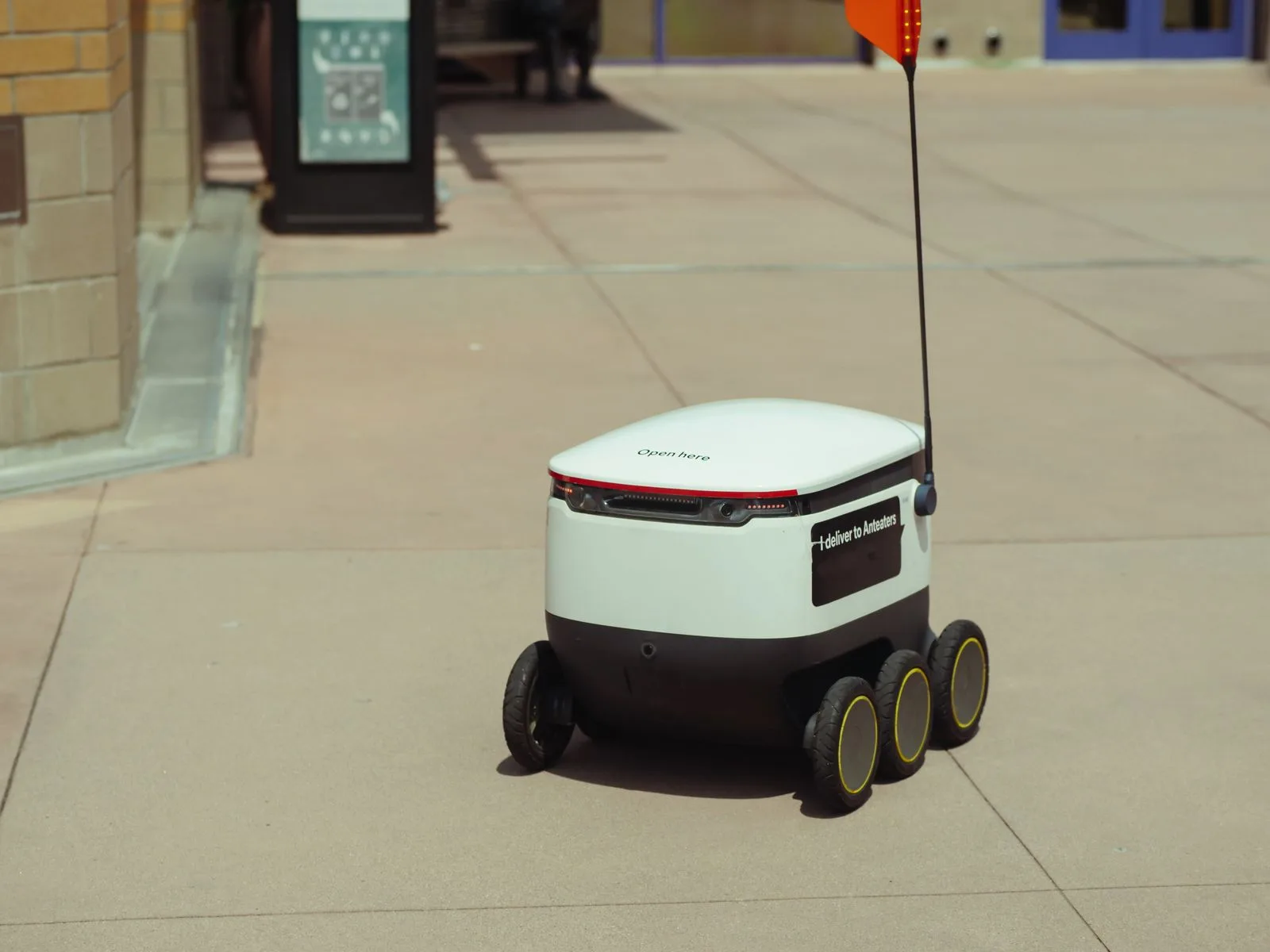
Serve Robotics built its name on small sidewalk delivery robots. Now it wants to sell the technology behind them to other companies that make robots.
A new line next to the robots
The company spun out of Uber's acquisition of Postmates in 2021 and went public in 2024. On Thursday it announced a business line called Physical AI Services, together with its third-quarter earnings. It already makes two kinds of robots: the googly-eyed delivery machine and one for hospitals that came with its purchase of Diligent Robotics.
CEO and co-founder Ali Kashani said those businesses are staying. His point is that the technology built for Serve's own fleet can now be offered to developers of robots that work on farms, in warehouses and in other uncontrolled settings. "We are solving the problem of robots in human spaces," he told TechCrunch.
Three products and two partners
Serve Link links field robots with AI models that run in remote data centers. That could let a company use a more powerful model without fitting all the computing power onto the robot. Kashani said the connectivity has to be high performance, because networks can be unreliable.
A data curator tool helps customers find edge cases in the large volumes of real-world data a robot collects. Those cases can then go back into a training model.
The third product is a catalog of real-world data from Serve's sidewalk robots, built to help AI models understand complex human environments.
Serve says Bedrock Robotics, which builds autonomous driving systems for construction machinery, already uses these tools. The company is also working with T-Mobile to bring AI computing power closer to robots.
The AWS comparison
Kashani called it the "AWS moment", after Amazon's cloud business, saying he has thought about the idea for years. His reasoning is that a young technology forces a company to build the full application first, because that is the only way to learn what to build. Later, as the technology matures, more people want to build similar things, and opening the platform lets them build alongside you. He added that the move would not have been possible without developing its own robot fleet.
Serve's sidewalk delivery business keeps growing, but the weight is moving from Uber toward other partners, including DoorDash and Wonder.
Source: TechCrunch