Gen Z Leans Toward Sedans as Ford and GM Weigh a Return
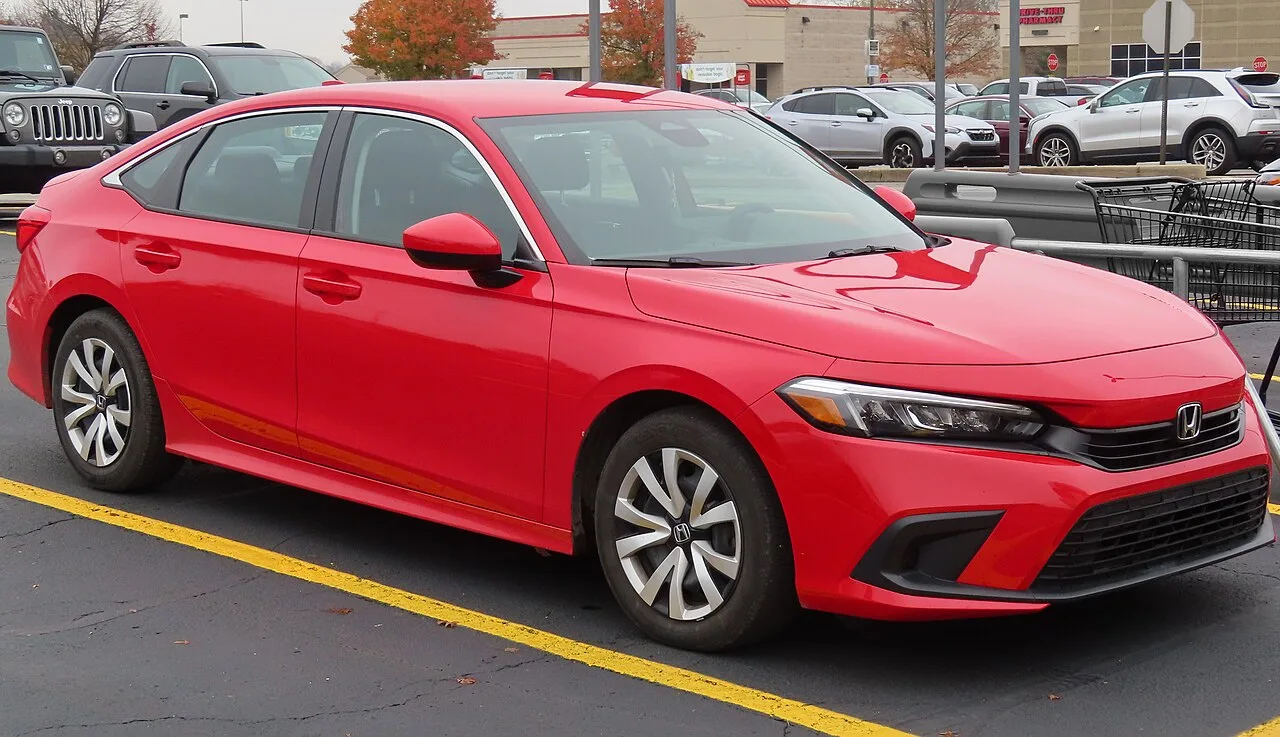
Ford and GM are reportedly exploring a return to sedans, years after they gave up the segment for SUVs and trucks. The reported reason is buyers' search for more affordable vehicles, while new data show what younger Americans drive and want.
Detroit's second thoughts
Ford ended production of its last U.S.-market sedan, the Fusion, in 2020. Chevrolet stopped building the Malibu, its last mass-market sedan, in 2024. Both moves followed a bet on the more profitable SUVs and trucks.
Ford CEO Jim Farley told Automotive News in January that a market for sedans exists. The company simply could not find a way to compete in it and make money.
In February The Wall Street Journal reported that the two companies were looking at a comeback as buyers hunt for cheaper vehicles. GM President Mark Reuss told a town hall he “would kill to have a hybrid-electric sedan.” Ford told dealers it plans five all-new models under $40,000 by 2030, spread across cars, trucks, SUVs and vans.
K.C. Boyce of Escalent warns that U.S. automakers must rethink their product plans now. Otherwise they risk losing the next generation to Japanese and Korean brands that still sell sedans.
Sean Tucker of Kelley Blue Book sees electric vehicles as one route, since flexible platforms cut the cost of developing different models. He points to Ford's Universal Electric Vehicle Platform. It will underpin the Ford Fathom, a midsize electric pickup priced from just under $30,000 and slated for pre-orders in early 2027. Ford, Tucker says, could easily turn it into a sedan if the market showed it wanted one.
Sedans in the driveways of the young
Compare.com studied more than 58 million auto insurance rate quotes in September. Sedans filled eight of the ten models Gen Z drives most often, with the Honda Civic, Honda Accord and Toyota Camry on top. The Ford F-Series and Chevrolet Silverado took the other two places. No SUV appeared.
Older generations look different. Six of millennials' top ten were sedans, five for Gen X and three for baby boomers, whose list held five SUVs.
Intent and current habits agree. Escalent asked more than 1,000 teenagers aged 14 to 19 what they picture driving. 51% said a sedan, 31% an SUV and 14% a truck. YouGov found in May 2025 that 37% of Americans aged 18 to 29 drove mainly a sedan, against 30% in an SUV or crossover.
Price is one factor, space may be another
Kelley Blue Book data from Cox Automotive show the September average for a new compact car at $27,977. A compact SUV cost $37,614 and a midsize SUV $50,630.
Gen Z also borrows less. LendingTree reports that 51.5% of Gen Z borrowers with active auto loans took out under $25,000, against 36.2% of millennials and 31.4% of Gen Xers. Pew Research Center found that Americans aged 20 to 39 had or planned 1.8 children on average in 2023, down from 2.3 in 2012.
Two readings of the trend
Boyce calls it a generational shift, like the move from station wagons to minivans and then to SUVs. Tucker is not convinced. He says affordability is likely the driving force and suspects Gen Z would buy SUVs if cheaper ones were available. The appeal of taller vehicles, he says, is a “height war” in which drivers want a view above the traffic in front.
SUVs still dominate. A November 2025 YouGov analysis found that 41% of U.S. car owners mainly drove an SUV or crossover and 30% a sedan. Of SUV owners planning another purchase within a year, 66% meant to stay with an SUV.
Family needs could shift the balance. Mazda surveyed 1,776 U.S. parents in 2024, and 96% said parenthood influenced their vehicle choices. The same survey found 48% leaning toward more seating and 46% toward more cargo space.
Our View
The data supports two readings that call for different strategies: a lasting taste for sedans, or a budget workaround that fades once buyers can afford taller vehicles. Detroit's plans depend on which is right. The missing evidence is how Gen Z buys as incomes and households grow, and reports on Ford's and GM's sedan plans will show how seriously they weigh the first reading.
Source: Fortune