CVS Health Plans to Separate Its Pharmacies From Aetna
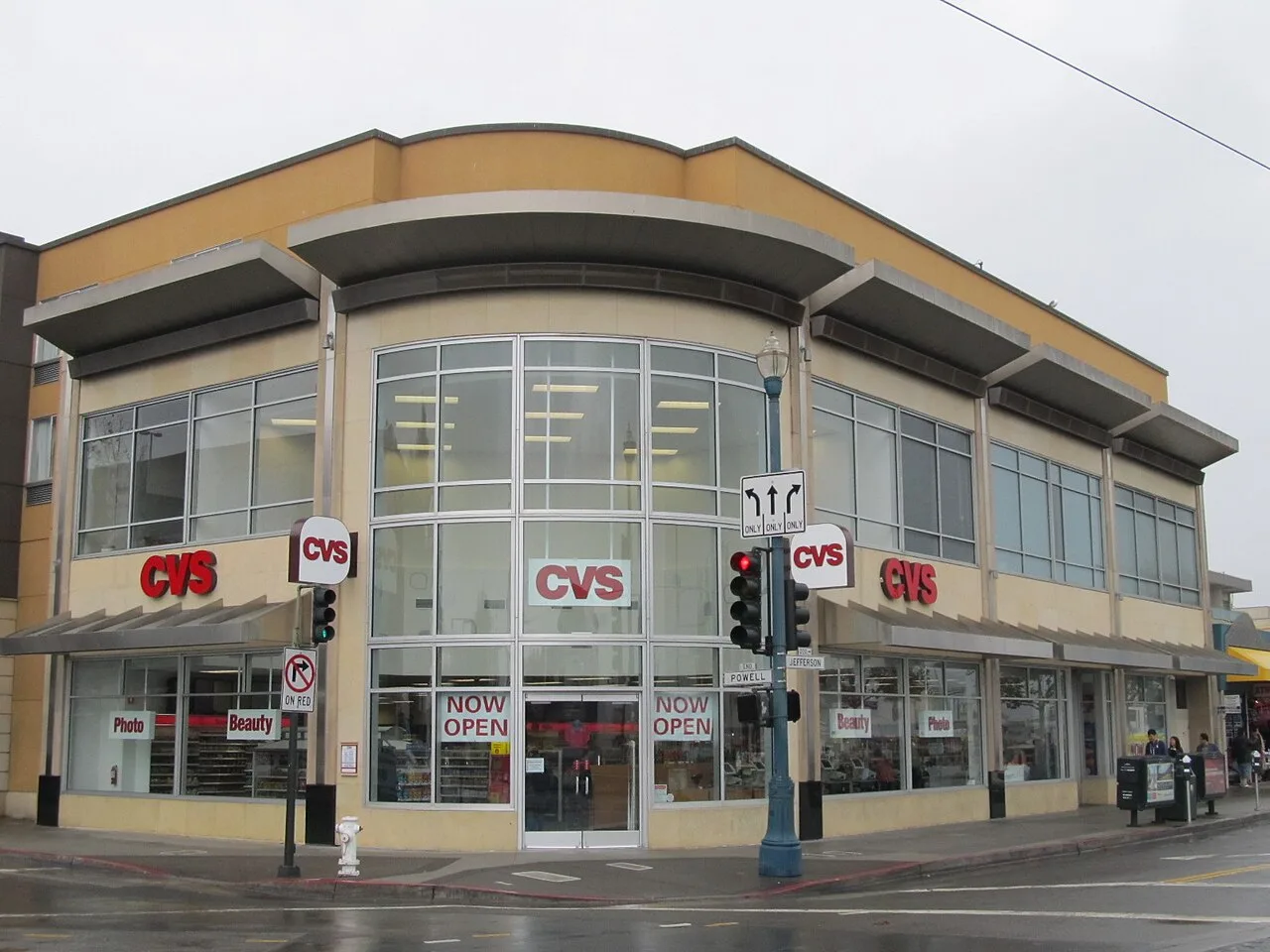
CVS Health is planning to unwind part of its growth into a healthcare conglomerate. It will split its pharmacy chain from the insurance and benefits arms it built up around it.
How the two companies would look
The announcement came on Wednesday. About 9,000 pharmacies, in-store clinics and the mail-order prescription business will go into a new company called CVS Pharmacy.
The second company keeps the name CVS Health. It will hold the insurer Aetna and the pharmacy benefits manager Caremark, plus units that run home visits and primary care for the elderly. David Joyner, the chief executive and chair, will run this healthcare solutions business. The breakup is planned for early 2028.
Pressure from lawmakers
CVS Health is the largest US healthcare conglomerate. It is valued at $117bn and brought in more than $400bn in revenue last year. Lawmakers and regulators have worried that it, UnitedHealth Group and Cigna have grown too dominant, which they say pushes up medical costs. Together the three control roughly 80% of the market.
Arkansas and Tennessee have passed laws aimed at stopping such companies from controlling both the benefits side and the retail and mail-order pharmacy side of prescriptions. Other states have proposed similar limits.
At the federal level, a bill introduced by Missouri senator Josh Hawley and Massachusetts senator Elizabeth Warren proposes an antitrust crackdown. Hawley called it "a major step toward restoring transparency and making healthcare more affordable for every American".
A reversal of earlier stance
Jeremiah Moore, a Republican and the Arkansas state representative who sponsored his state's bill, told Politico that he considers the companies' behavior crony capitalism. He accused them of bending rules in their own financial interest.
The company's own position has shifted. It had opposed legislation to break it up. A spokesman warned that such efforts would "open the door to private equity stripping the entire U.S. healthcare system for parts".
Joyner framed the split as a continuation of the firm's history of evolving, aiming at more affordability, greater access and a simpler experience.
How the conglomerate was built
The structure grew out of a run of acquisitions. CVS and Aetna merged in 2018 in a $70bn deal. UnitedHealth and Cigna followed the same model, combining insurance, benefits management and mail-order pharmacy in one group.
CVS Health has also fallen short of investor expectations on growth. By late 2024 the stock had slid to $44; it has since recovered.
Source: the Guardian