US Prices Rose 0.4% in October as Gas Costs Eased
US consumer prices rose 0.4% from September to October, a little above forecasts. The pace was still slower than the month before, because gasoline got cheaper.
Pump prices pulled the number down
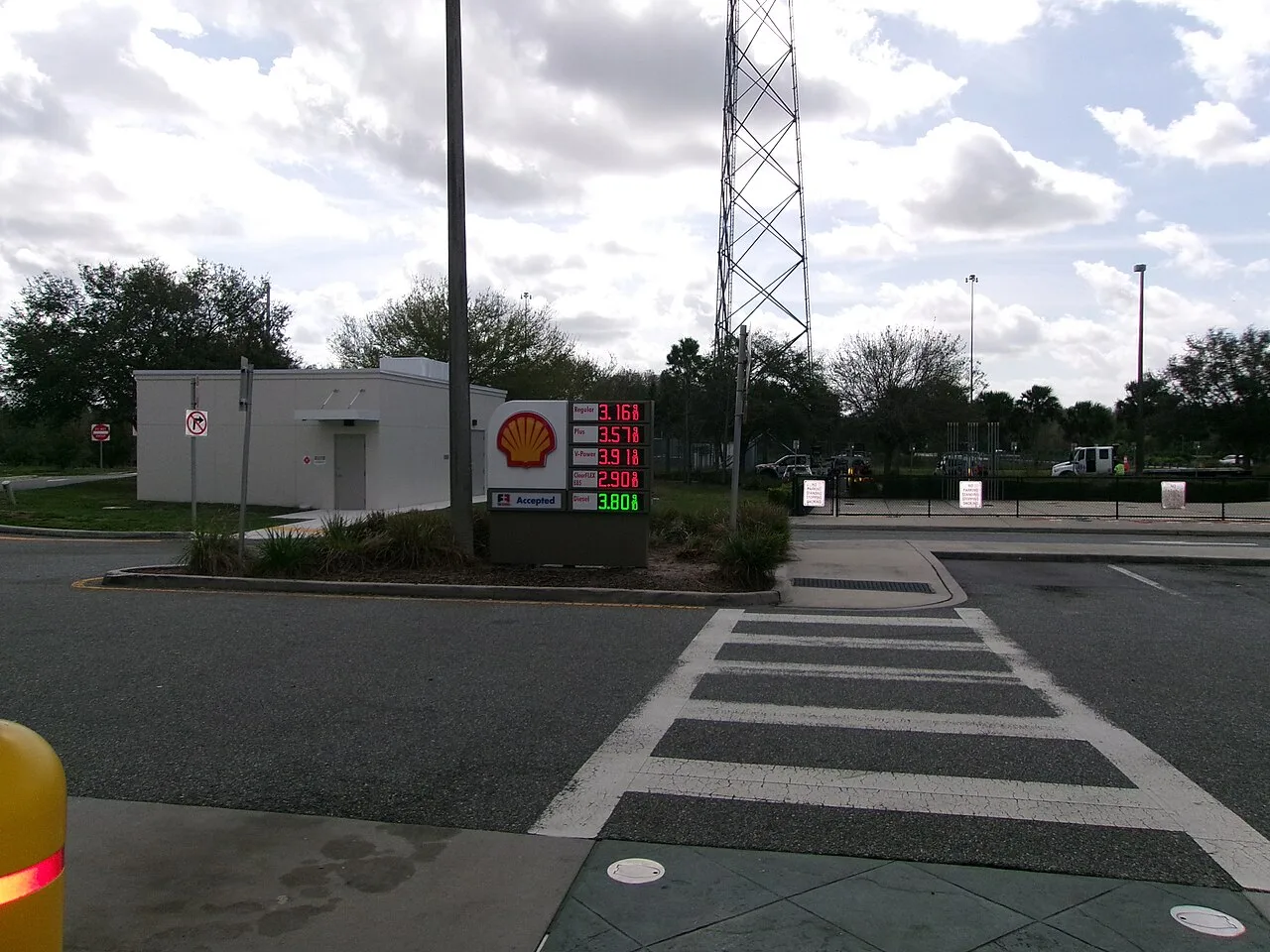
Gasoline explains the calmer month. AAA says the average fell from $4.41 a gallon when October began to $4.22, yet still more than $1 above a year ago. On Monday the national average slid under $4 for the first time since July. Diesel, the fuel for trucks, farm machinery, buses and trains, sits nearly $2.50 a gallon over last year's level, though it has been falling since October.
Energy is the largest force behind this year's inflation, and the Iran war is what pushed it up. Energy rose 0.7% in October. In September it had gone up 5.2%, and the overall monthly change in prices that month was 0.6%.
The Fed and the labor market
In September the Fed hiked rates for the first time since 2023, and another increase is expected at its December meeting. Higher rates make borrowing dearer, which cools the economy and can bring inflation down. A 2% rate is the Fed's target, the pace it regards as stable.
Hiring in October beat economists' forecasts, and unemployment has stayed a little above 4%. That leaves the Fed more room to tighten. Because inflation tracks energy so closely, how much and how fast a hike could ease prices is unclear. Fed chair Kevin Warsh said on 28 October that the job is to ensure "relative price changes in some sectors do not broaden across the economy."
A year-on-year figure that is missing
The Bureau of Labor Statistics skipped its usual annual comparison. No prices were collected in October 2025, when the government was shut down.
Oxford Economics filled the blank by interpolating October 2025. On that basis the headline rate for October 2026 would be 3.9%. No month since May 2026 would have run hotter. That month's 4.2% was a three-year high.
Politics and consumer mood
The report lands after midterms that will give Democrats control of Congress. The result was widely read as a rebuke over high prices. In their own postmortems, Republicans, Vance among them, name frustration over gas prices as a reason for the poor showing.
University of Michigan data shows consumer sentiment up slightly at the end of October as gas eased. Among people with the largest stock portfolios it fell 5%. Survey director Joanne Hsu said consumers' remarks showed rising worry about "a possible AI bubble."
Source: the Guardian