Charity Shop Profits Slide as Resale Apps Draw Sellers
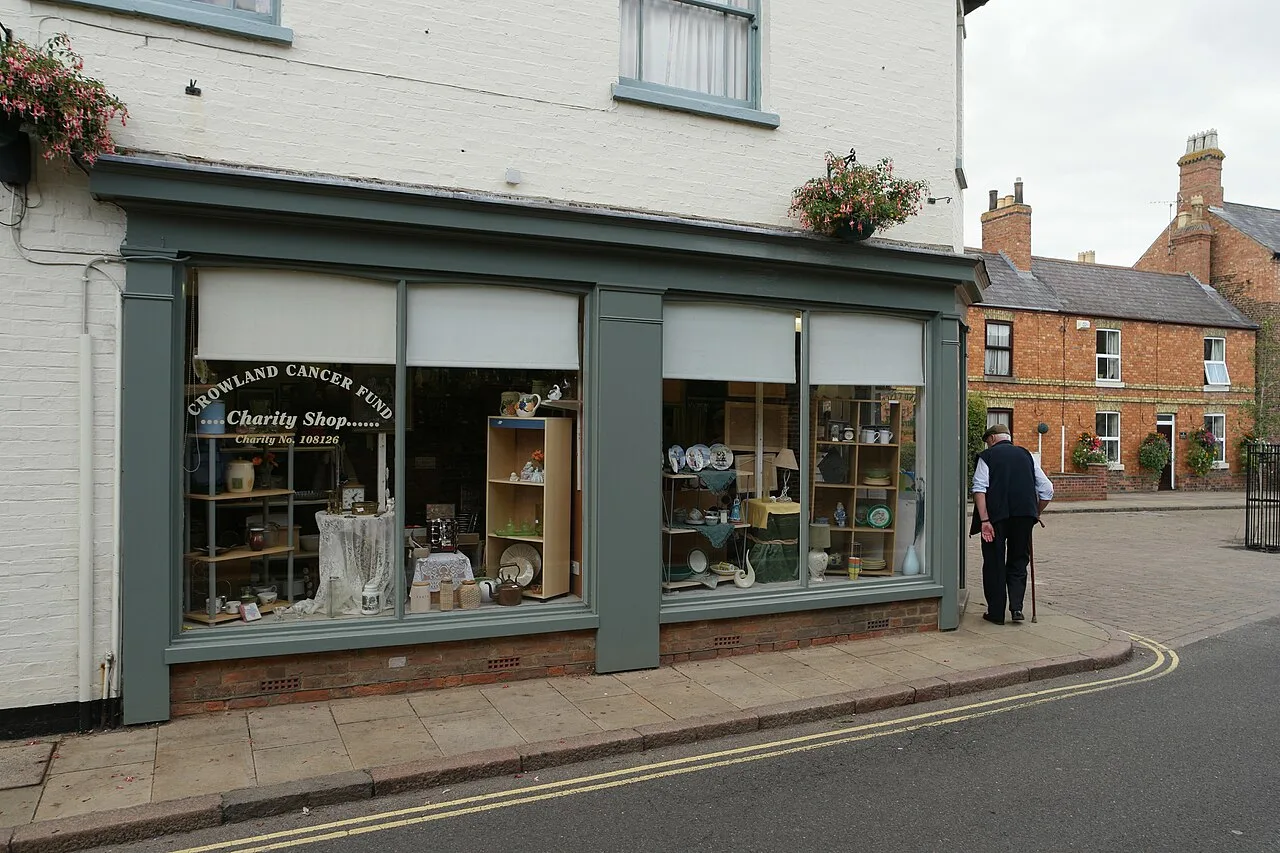
Profits at some of the best-known charity shops in the UK have dropped sharply. A key part of the sector's fundraising model could be under threat.
What the accounts show
Oxfam's retail profit fell 23% to £4.9m in its last financial year, from £6.4m a year earlier. That figure comes from unpublished accounts seen by the Financial Times.
The British Heart Foundation has the largest high street presence of any UK charity. It plans to close 150 shops after they made a £3.3m loss in the last financial year. Cancer Research UK and Scope have closed or are closing some shops too.
The losses come while spending on secondhand clothing in the UK has quadrupled over ten years to £8.8bn a year, according to GlobalData.
Where the donors and the clothes are going
Vinted and Depop link sellers straight to buyers, so people who once handed clothes to a charity shop may now sell them and keep the money. Firms from China are also selling more clothing across developing countries, Africa above all, which has long taken in unwanted secondhand clothes.
Charity shops carry costs that the platforms avoid: rent for high street and warehouse space, plus collecting, sorting, pricing and storing clothes. Quality is another drag. Tansy Hoskins, author of Charity Shop World, told the Guardian in October that the sector faces "avalanches" of poor-quality clothes, as people use shops as dumping grounds for unwanted purchases.
Oxfam's falling share for its cause
Oxfam's filings show that of every £100 spent in its shops, £6 now goes to its work on global poverty. In 2022 the figure was £22. Lorna Fallon, head of Oxfam's retail operation, said it "is going to be painful for the sector".
Oxfam has no plans to cut its number of shops, because of its focus on books and music.
The British Heart Foundation reviewed its retail arm in June. Its shops employ almost 3,700 staff. Shop profits fell from £18.8m in 2024 to £3.6m in the year to 31 March 2025. The charity called the trading environment "exceptionally challenging". It aims to close 90 stores by the end of March 2027 and another 60 by the following March.
Not everyone blames the apps
Robin Osterley, chief executive of the Charity Retail Association, disagrees. He says the platforms are not an issue and have normalised secondhand shopping. Some people also buy from charity shops to resell online, which gives members income.
He points instead to the November 2024 budget. National insurance increases and a lower threshold, which affects more part-time staff, have had a "really significant" effect on costs, alongside wider inflation.
Richard Hawkes, Oxfam GB's chief executive, said the growth of secondhand clothing offers real opportunities. He added that the traditional charity retail model needs rethinking. Oxfam's shops also give it a presence in communities and involve more than 20,000 volunteers.
Our view
The data point in two directions. More people are buying secondhand, yet the shops built to serve that habit are losing money. That may mean the habit is moving to channels where charities earn little. The dispute over the budget versus the apps is unresolved, and it could shape which closures follow.
Source: the Guardian