Sandoz CEO Warns Europe Over Its Last Penicillin Plant
Your daily brief on leadership and business
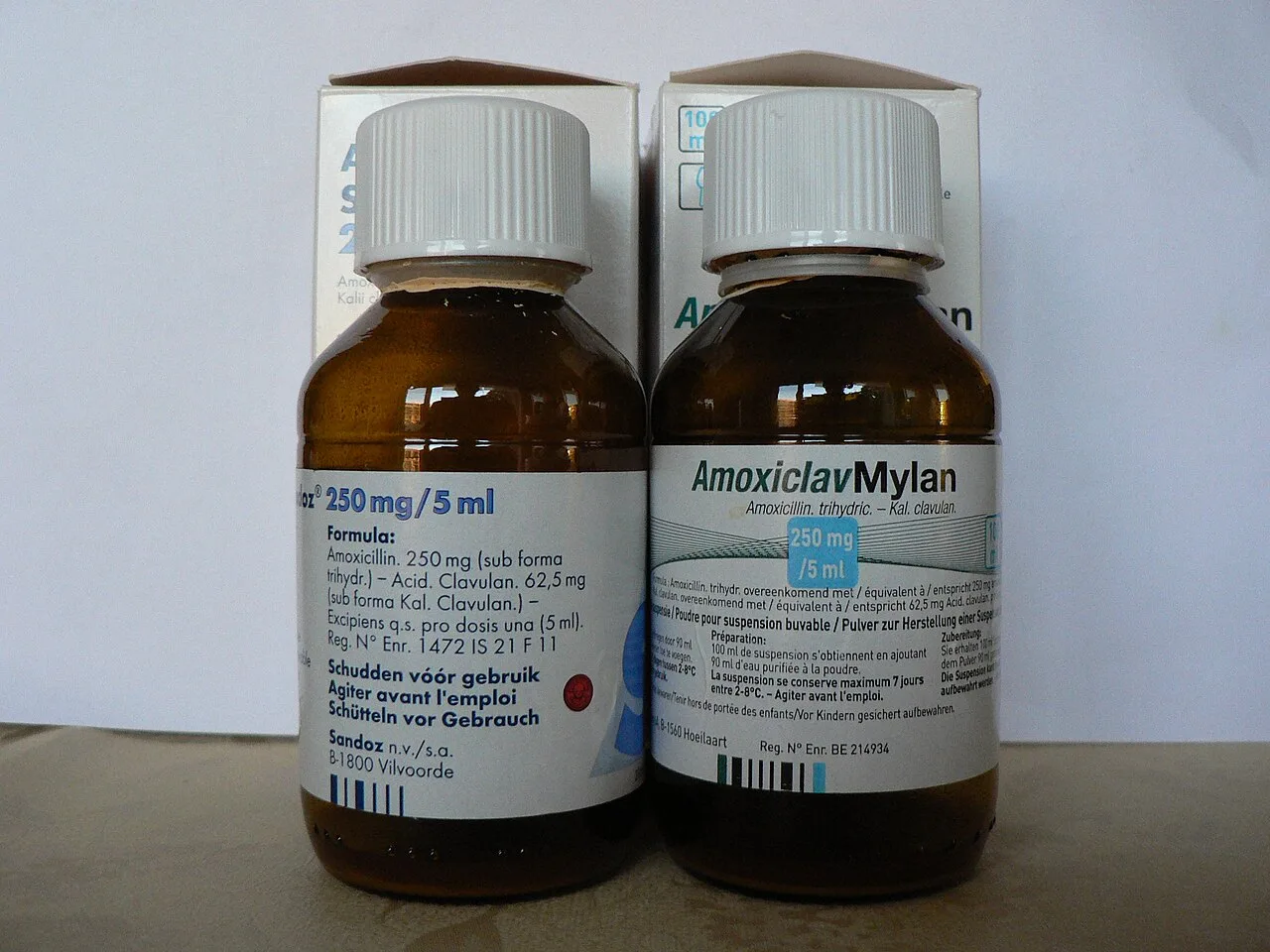
Sandoz runs a €150 million ($168 million) factory in Kundl, Austria, that is the only fully integrated antibiotic manufacturing site in Europe. It makes the active ingredients and turns them into medicine ready for patients. CEO Richard Saynor says that makes the Swiss company "the last remaining penicillin manufacturer left in the Western world," and he says losing European antibiotic production raises questions about security and sovereignty.
The pressure comes from China. Last year 86% of EU imports of penicillins and their derivatives came from there, up from 44% in 2019, according to Eurostat. In written evidence to U.K. lawmakers, Sandoz called the dependence an "Achilles heel" for public health and defense, warning that a supply restriction could become a "tool of economic coercion or hybrid warfare." The company says "market-distorting behavior" lets Chinese makers undercut rivals and "flood" markets with ultra-cheap ingredients. In May it asked the European Commission to open an anti-dumping probe into the amoxicillin ingredient.
China is now the world's largest exporter of antibiotic ingredients. "We're competing with heavily subsidized Asian players," Saynor says. "We want a level playing field."
Saynor welcomes the EU's Critical Medicines Act, provisionally approved in May, but sees a gap: it is unclear how it translates into governments paying more for these drugs. "Everyone agrees with you, but the moment you ask for the check, everyone has suddenly left the table," he says.
He points to the price of a pack. The NHS pays £1.06 ($1.41) for 21 capsules of 250mg amoxicillin, according to the British National Formulary. "Do we value a Mars bar more than the medicine that has saved more lives than any other invention?" he asks. Developing a drug and bringing it to market costs $100 billion, he adds, so the comparison is not fair.
Betting on biosimilars
Sandoz makes generic and biosimilar medicines, which are off-patent drugs with the same clinical effect as branded ones at lower prices. Generics make up 80% of all medicines used worldwide. The company estimates patents on medicines worth a combined $650 billion expire within ten years, which Saynor calls an "unprecedented golden decade" for biosimilars.
Last month Sandoz set an ambition of more than 100 biosimilar products by 2040, against 13 today. It has invested in a new drug substance facility in Ljubljana, Slovenia. Saynor says the 2023 spin-out from Novartis helps: Sandoz's job is to challenge patents and bring products to market early, while pharma companies like Novartis seek to protect theirs, and he can speak publicly on policy in ways he could not under the parent.
He is also reshaping his leadership team. In July Pascal Bouye, formerly of Mars and Danone, became president of generics and manufacturing supply, and Keren Haruvi moved from Novartis to lead North America. Remco Steenbergen, previously CFO of Lufthansa, joined in 2024. "I don't have all the answers as CEO," Saynor says, explaining why he wants people from other industries.
Saynor says Bouye knows how to manage complex supply chains with many partnerships, while Steenbergen understands finance in an asset-heavy industry with thin margins.
Source: Fortune