Novelis Agrees to Sell Two Chinese Units for $265 Million
Shared with kind assistance from
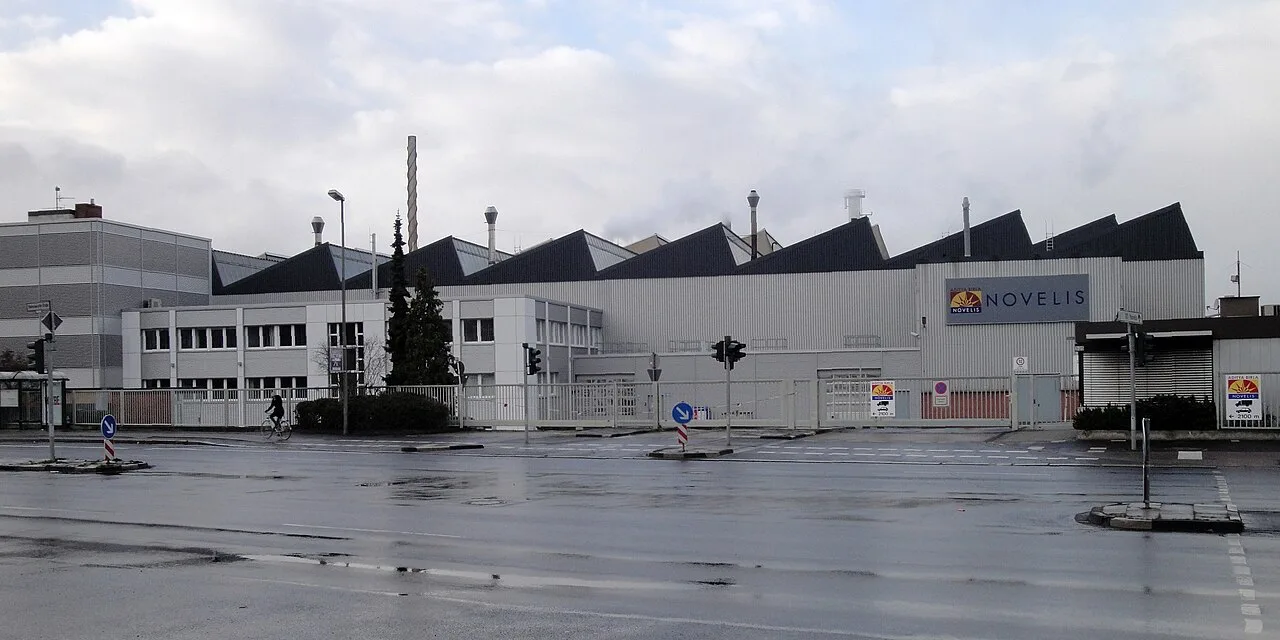
Novelis, the aluminium producer owned by India's Hindalco Industries, is shrinking its direct operations in China, the world's second-largest economy. It has agreed to sell two wholly owned subsidiaries there for $265 million.
What is being sold, and to whom
The two units are Novelis (China) Aluminum Products and Novelis (Shanghai) Aluminum Trading. The buyer is Shenzhen Hongzhi Industrial Investment Co., or its affiliates.
Hindalco disclosed the deal in an exchange filing on Sunday. The agreement is definitive, meaning the terms are signed rather than still under discussion, and it was signed on November 14.
Price, earn-out and timing
The $265 million could grow. The deal includes a potential earn-out of up to $10 million, which is extra money paid only if specified conditions are met. The filing does not say what those conditions are.
Closing is expected within 12 months. Regulatory approvals are still required, so the sale is not final yet.
How big the units are
In the financial year that ended in March 2026, the two subsidiaries reported net sales of $376 million. That is about 1% of Hindalco's consolidated net sales, so the group gives up a small slice of revenue.
Few companies roll more flat aluminium than Novelis. It supplies carmakers, beverage-can makers and the aerospace industry.
After the sale it will keep serving global customers in those sectors, but with less direct operating presence in China.
A wider retreat from China
Foreign manufacturers are rethinking how much of their business sits in China. Local competition and changing global supply chains are pushing them to redraw their strategies.
The timing sits alongside other changes at Novelis. The company recently announced that its chief financial officer, Dev Ahuja, is leaving. Months earlier, Hindalco reported a drop in profit, partly because of costs from a fire-related disruption at Novelis' US operations.
Source: The Economic Times