Keel Infrastructure Pivots From Bitcoin to AI Power, No Leases Yet
Made possible with partner backing
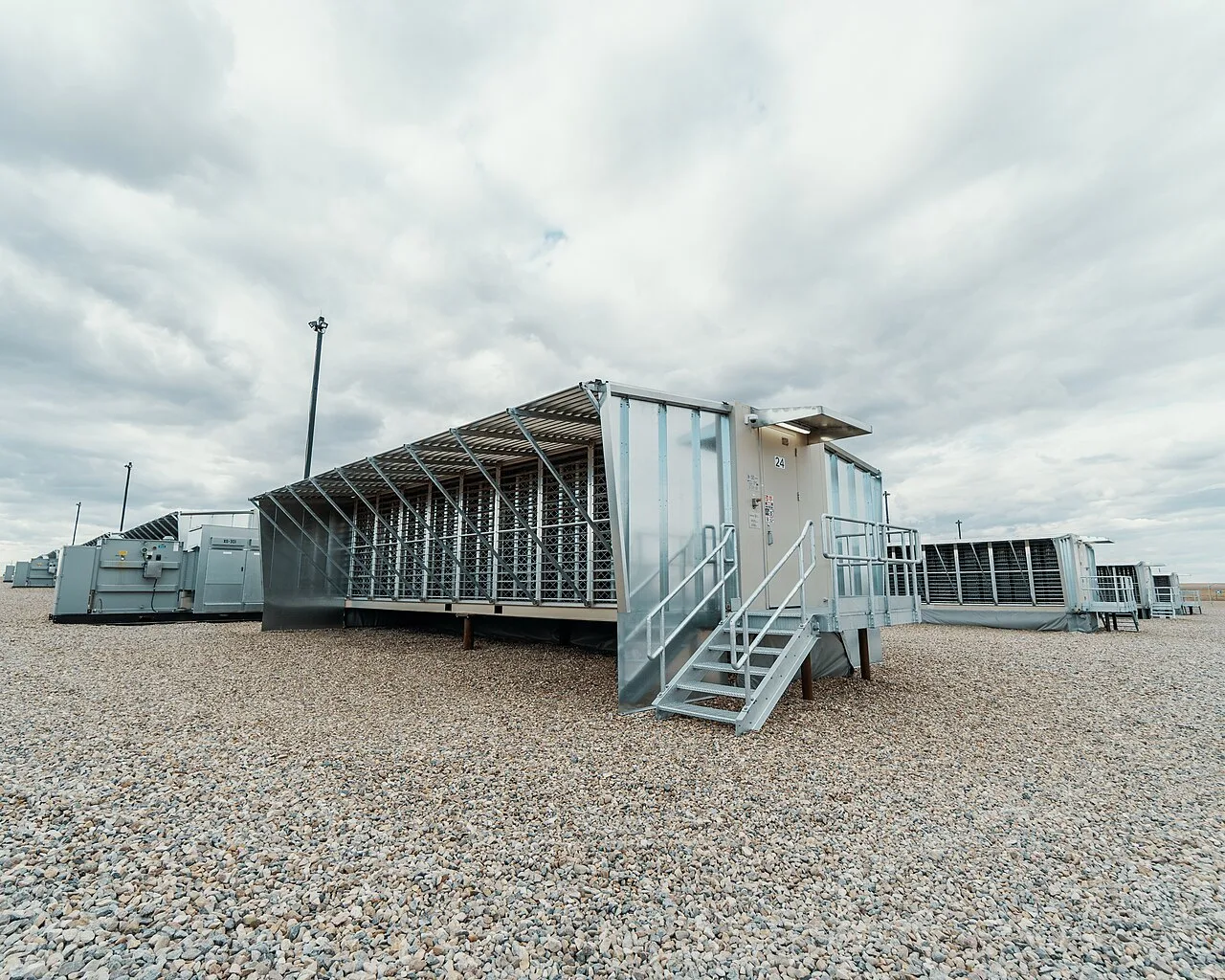
Keel Infrastructure, the former Bitcoin miner Bitfarms, has staked its future on selling power to AI data centers. It has 2.2 GW lined up, but its CEO now says no lease will be signed this year.
The schedule has slipped
CEO Ben Gagnon's guidance in May was to have all three priority projects leased by year-end 2026. On the Q3 earnings call he said no deals would be signed this year and declined to give dates for signing customers. Gagnon says the biggest challenge is not finding customers but getting final environmental permits in place.
Keel's stock fell about 20% on the news, and its market value is now roughly $1.3 billion, about what Riot bid in 2024. Revenue is small, since the company has left Bitcoin mining and does not yet earn from AI. It raised almost $600 million in convertible debt last year and almost $300 million by selling its Bitcoin holdings. It is still burning cash fast, and investors are cautious.
Three priority sites
Keel is working on three projects that are nearest to clearing every approval. Panther Creek, 85 miles north of Philadelphia, and Sharon, near Youngstown, Ohio, have zoning and development approvals but still need environmental permits. Together the two are in the process of securing over 450 MW from local grids. At Moses Lake, Washington, all three approvals are in and construction is under way.
Gagnon calls zoning the hardest approval, the most political and emotional one. Keel's biggest site is the 700-acre Scrubgrass facility, where it has applied for 1 GW, or 40% of the capacity it seeks. It is still working through the early permitting stages for power.
A developer, not a compute provider
Some former miners buy the chips and rent out computing, earning higher rents on shorter leases and taking more risk. Keel is a pure developer. The customer brings the GPUs, and Keel supplies power and buildings. Gagnon says Keel makes money on the gap between what it pays utilities and what compute providers pay in leases.
Its edge is volume. The 2.2 GW tops the 1.9 GW that OpenAI was reported to be lining up by the end of 2025. Gagnon argues that location will matter more as AI shifts from model training to inference, and that sites near big cities can command a premium.
Why miners are crossing over
Keel is among the biggest crypto operators to follow Core Scientific into AI, and more than ten major players are now making the switch, in part or in whole. Riot has a $9.1 billion lease from Anthropic. Hut 8 is partnering on a $7 billion contract with Google and Anthropic. Applied Digital will serve CoreWeave under an $11 billion agreement.
Christian Lopez of the broker-dealer Cohen and Co. estimates five-year returns of $1.7 million per kW for Bitcoin and $7.9 million for an AI campus.
How Bitfarms became Keel
In late 2023, Gagnon, then chief mining officer at Quebec's Bitfarms, concluded that the company's real value was its power supply, not its mining rigs. In March 2024, Core Scientific and CoreWeave announced a deal to turn a Texas mining site into an AI data center. Gagnon called it the "big aha moment."
Bitfarms was in turmoil. Its board wanted a new chief for the third time in five years, and Riot Platforms made a hostile $930 million bid. Gagnon took over in July 2024 and helped broker a deal under which Riot named a director and halted its attack. On April 1, 2026, the company was reborn as Keel Infrastructure and moved from Canada to the U.S.
Source: Fortune