HBR Authors Say Markets Underprice Corporate Resilience
A Harvard Business Review article argues that investors read the story of disruption better than they read the companies built to outlast it. The authors say that gap is an opening for investors who can spot resilience before others do.
What Amazon's warehouses showed in 2001
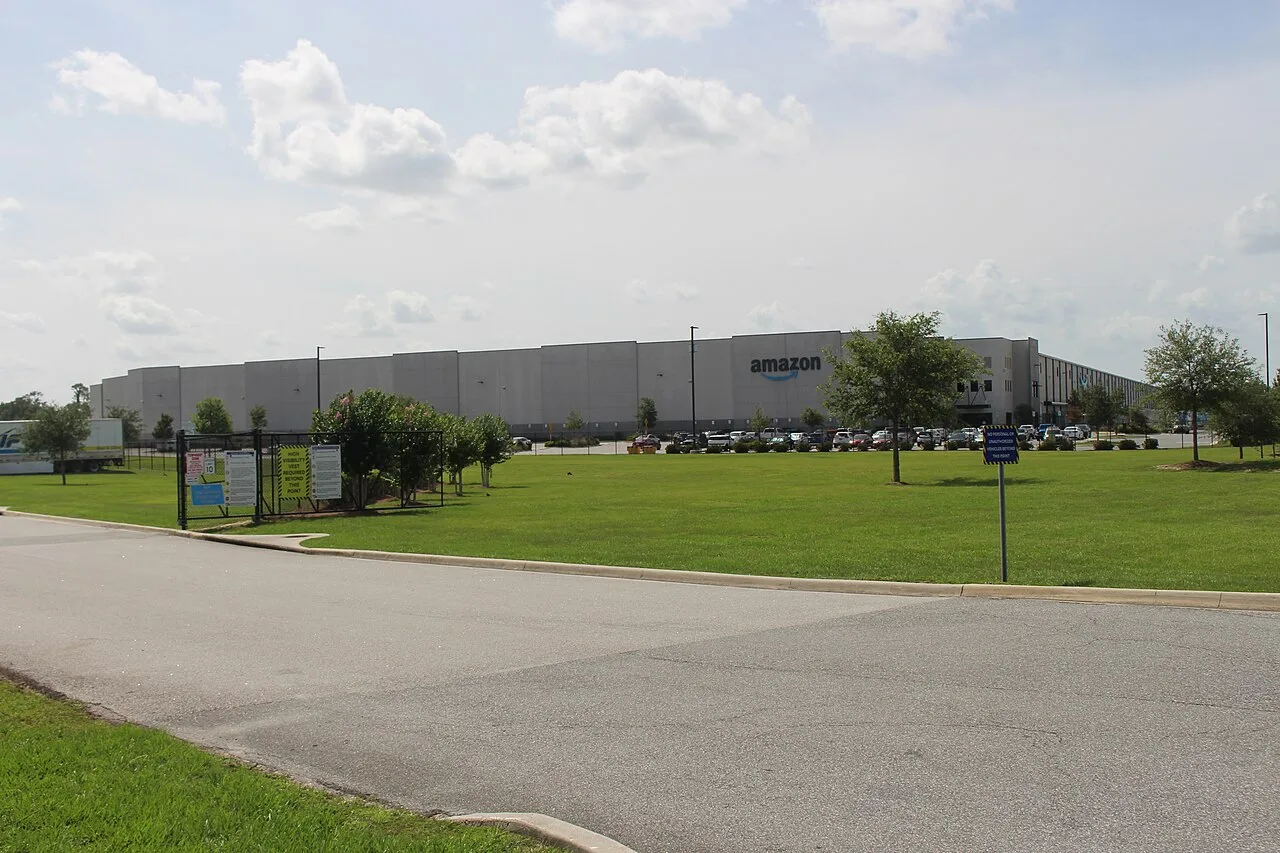
The authors start with Amazon. By 2001 its stock had fallen roughly 95% from the December 1999 peak, and most venture-funded peers were in liquidation or gone. Amazon had spent 1999 building fulfillment capacity well ahead of its own demand, taking its distribution space from 300,000 square feet to more than 5 million within a year.
When the crash came, it opened those warehouses to other retailers and independent sellers. Idle space became a platform business, and Amazon's own fulfillment costs fell.
The authors call resilience a growth asset that the market still treats as an afterthought. For most of the last century that made sense, they write, because resilience meant surviving a shock and was rewarded only in hindsight. They argue that continuous disruption, from pandemics to tariff shocks to AI-driven displacement, now favors firms that absorb shocks fastest.
Demand and supply chains
On demand, the authors say markets screen by sector rather than by how entrenched a business is. The split runs inside the sector: software woven into core processes and fed by proprietary data has held up, while seat-based software for tasks AI now handles has not, yet the two trade as one de-rated group. Healthcare, defense and energy sit at the other end, because they need regulatory approval and institutional trust and have no digital substitute.
The authors add that demand for critical infrastructure tends to rise when everything else falls. A hospital stays essential to its community in a crisis, which is when software subscriptions get cancelled. They point to Aramco, which spent years building in alternatives such as the East-West Pipeline and other pipeline and storage routes, and say the investment proved its worth within days of the Iran war and the Strait of Hormuz disruption.
On supply chains, they cite McKinsey's 2025 Supply Chain Risk Pulse. It found that 82% of surveyed companies reported tariff effects, touching 20 to 40% of supply-chain activity. Nearly all firms, 95%, can see risk among their direct suppliers, yet only 42% of those can see further down the chain. By TSMC's own guidance, building fabs abroad costs two to three points of gross margin early in the ramp and three to four points later. TSMC's Arizona fabs have matched Taiwan's yields since late 2024.
Debt and the power grid
On the capital stack, the authors point to private equity's software holdings. In 2021, sponsors bought more than 450 software companies for $101 billion, with debt as much as half of deal value. The loans run for a set term, but the revenue behind them lasts an uncertain time, and AI is cutting it short unevenly. Debt tied to software deeply built into customers' operations is still being paid. Where it was not, lenders are being handed the keys.
The fourth gap is the system itself. In 2025, the North American Electric Reliability Corporation raised its 10-year peak demand forecast by 224GW, a 69% jump in one year. In May 2026 NERC sounded its most severe alert, after Virginia and Texas events when a computational load above one gigawatt vanished from the grid within seconds. The authors say firms that add capacity, accept curtailment and help steer load are underwriting the system's resilience.
What the authors tell investors
The authors say none of this argues for caution. They see firms that spend on redundancy and keep clean balance sheets as buying the ability to move when rivals cannot.
Software once traded at 25 to 35 times free cash flow because recurring revenue looked predictable, they write, but recurrence was never the same as durability.
Almost nothing measures two abilities, they say: acting boldly while the signals are still ambiguous, and bouncing back once they clarify.
Source: Harvard Business Review