Warhound Emerges With $200M to Clone and Edit Military Dogs
Your daily brief on leadership and business
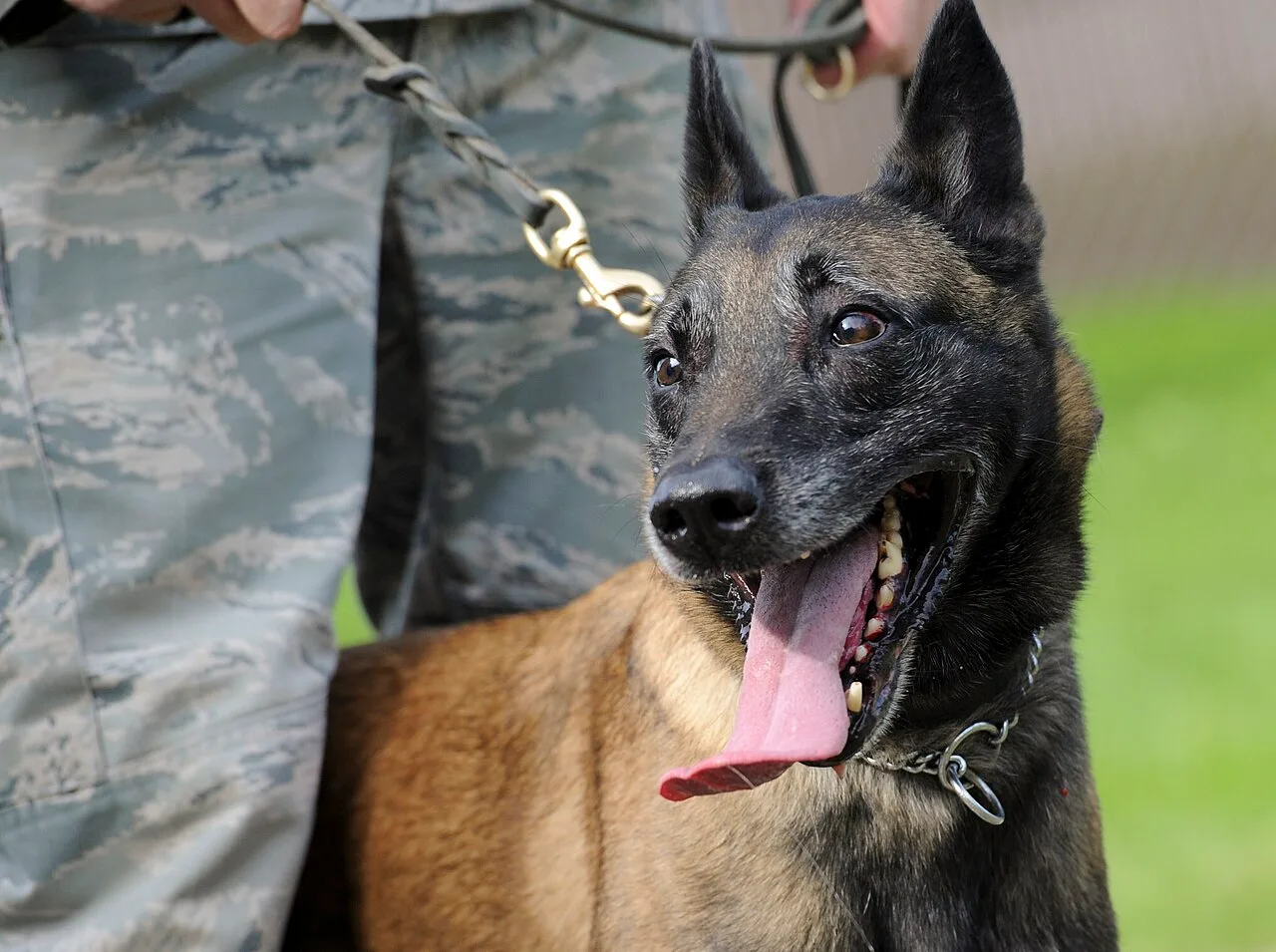
Warhound, a Texas defense startup, is coming out of stealth with a $200 million seed round, with a plan to clone and gene-edit working dogs for the US military. David Spirk, a former Marine and the Pentagon's former chief data officer, is its chief executive.
Investors include In-Q-Tel, Sequoia Capital, ARK Invest, Franklin Templeton, 8VC, Breyer Capital, Lux Capital and Builders VC, among others.
Ben Lamm, co-founder and CEO of Colossal Biosciences, and Anduril founder Palmer Luckey came up with the concept after a conversation at Peter Diamandis' Moonshots Summit. Lamm said the two do not describe themselves as co-founders. Luckey holds no equity and Lamm sits on the board. Colossal licenses technology to the company and has an economic interest in it.
A supply problem
According to the company, the Military Working Dog Program has more than 2,200 dog teams, and over 80% of the dogs are bought from Europe. Fewer than half of those purchased are judged fit for service after a pipeline of roughly three years. The US therefore has to buy and train about 200 dogs to field 100. Lamm cited a Senate Armed Services Committee warning that European procurement costs are skyrocketing, and said the US competes with other governments, China and Russia among them, for the same animals.
Biobank, clone, edit
Lamm described the plan in stages. Warhound will find top dogs that have finished training and biobank their genetic material, then clone them. He noted that training and environment will always influence performance. Targeted gene edits come alongside. The first group of dogs has been biobanked and is being edited now, and he expects the first deliveries in about two years.
The company says it will screen out known harmful variants tied to muscle degeneration and other inherited diseases. Lamm said it is still working out which other traits are scientifically and responsibly actionable, while planning future genetic enhancements.
Anduril is supplying equipment that includes eye and ear protection and body armor, along with integration with its Eagle Eye system. Lamm said the dogs are not a step toward robot dogs: no machine today matches a dog's nose or judgment in complex environments.
No customers yet
Warhound has no signed customers and is not quoting a price per dog. Lamm said it is discussing a "Canine-as-a-Service" model, in which the government would buy a steady supply of trained dogs. The company plans to build kennel and training infrastructure step by step, starting with private capital. It has hired a former military dog handler as director of canine operations, and the American Humane Society will certify its training programs.
Lamm ruled out a combined Colossal-Anduril company. Spinning companies out of Colossal's research, he said, is an intentional part of the model.
Source: Fortune