Ex-Ramp Engineers Burned Their Codebase, Then Raised $25M
Your daily brief on leadership and business
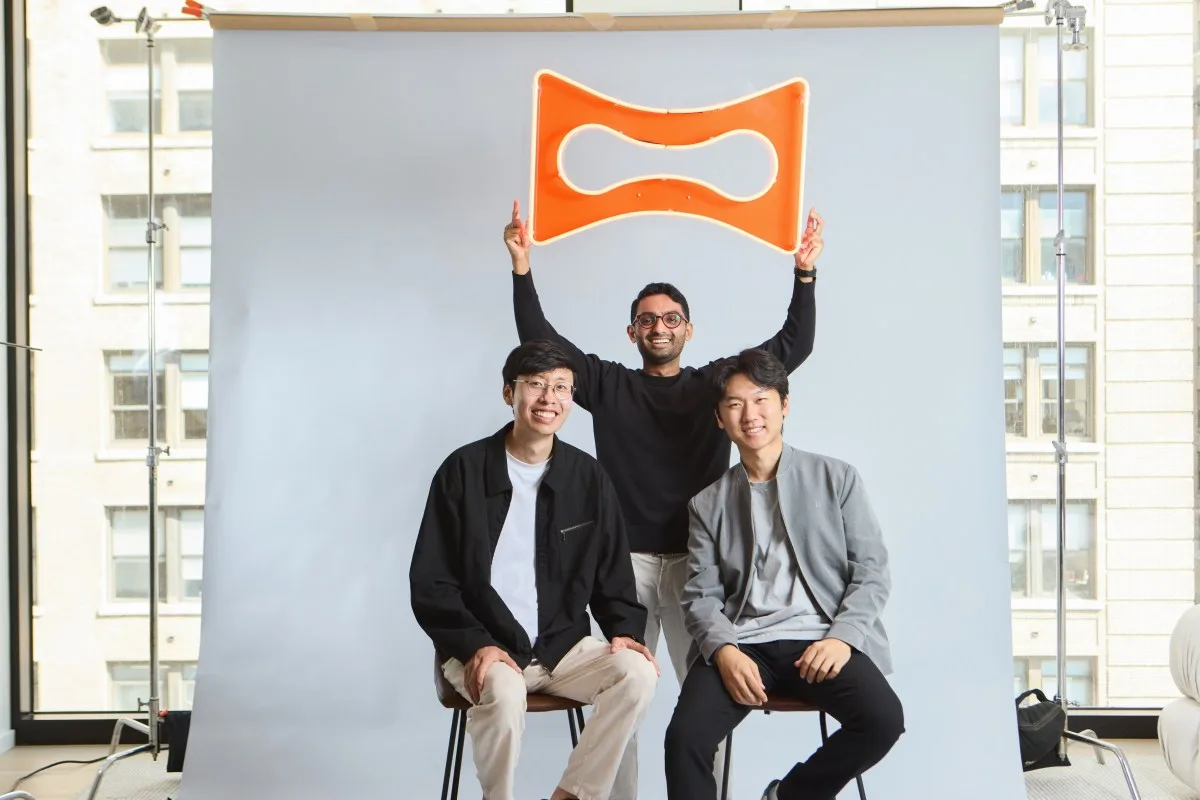
Most founders treat their first product like a firstborn. The three engineers behind Melius treated theirs more like a draft email: they deleted it. Joowon Kim, Young Kim and Arnav Ramu, all former engineers at corporate spending platform Ramp, have now announced $25 million in total funding for their New York company, made up of a $20 million Series A led by CRV and a $5 million seed round led by General Catalyst.
The pivot nobody puts on a pitch deck
Melius started life more than a year ago as an AI tool for managing and optimizing ad spend. After more than six months of work, the founders concluded that the idea simply did not have legs, as Joowon Kim put it. Rather than patch it, they started over. “We scrapped the entire codebase; we burned all of it,” Kim said. The team turned instead to tools that generate creative assets and complete ad campaigns.
The new product is pitched as an “agents lab for creative work”. It lets anyone, from beginners to experienced creative directors, turn an idea into images, videos and campaigns by describing what they want in plain language. Kim has a personal stake in the topic: he describes himself as a social media influencer, has been making short videos since elementary school and once dreamed of YouTube fame, although his early vlogs never took off. Building the tools may prove to be the better business.
Early traction in a crowded field
The restart appears to be paying off. Melius says it passed $1 million in annualized revenue within two months of coming out of stealth in July. The competition is serious: Higgsfield was valued at $5.4 billion in August and has reportedly passed $700 million in annualized revenue, while Krea and Flora AI chase the same customers. Kim argues the market is large enough to support several players.
For other founders, the lesson is uncomfortable but useful: six months of work is a sunk cost, not a reason to keep going. Sometimes the most productive thing a startup can do is press delete and let investors fund the second attempt.