UVA Dean: AI Is Clarifying What College Is For
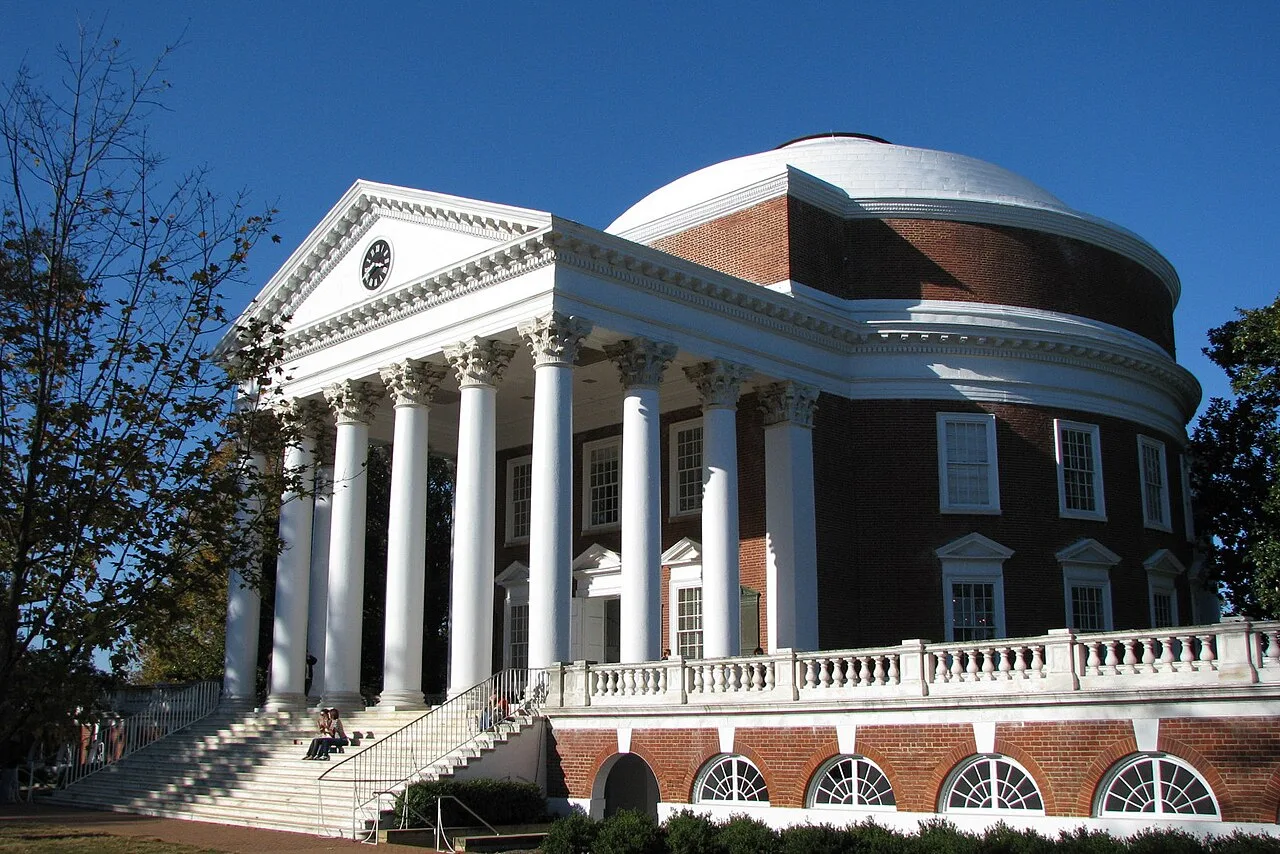
Students who start college now will graduate in 2030 into a labor market whose needs are hard to predict. Christa Acampora, dean of the College and Graduate School of Arts & Sciences at the University of Virginia, says AI is making the purpose of higher education clearer, not different.
She spoke with Joshua Bay of Inside Higher Ed on the Voices of Student Success podcast. Five points came out of the talk.
A job market that is hard to read
What employers will need is "very hard to predict, even just four years out," Acampora said. For her, that sharpens what kind of promise colleges can make to students if it is not a hot job or a certain income.
The same questions reach doctoral education. She asked what happens to the dissertation when a frontier model can write a better one. UVA's answer is more integrated experiential learning and industry-integrated doctoral training.
She added that colleges can do "pretty innovative things" if they treat AI as an opportunity rather than a threat and stay anchored to their core purpose instead of guessing where the job market is heading.
Why human agency still counts
Acampora cited a recent paper by a UVA mathematics professor on intellectual agency. Even if AI keeps improving, she said, human agency will still matter to people.
She passed on his description of agency: technical skill, sound judgment and a clearer sense of what one can do, gained through struggle, conversation and learning with others. She called it a social experience.
Surveillance and belonging
Acampora pointed to a recent report from Qualtrics and Buro Happold. It raised questions about how students' use or avoidance of AI might shape their sense of belonging on campus.
She drew a parallel with COVID-19, when campuses enforced distancing and masking. On her campus, she said, more surveillance left people lonelier and more isolated. She argued that policing AI use and installing detection devices risks the same result.
AI literacy beyond the tools
Knowing how to use the tools is not enough, Acampora said. Students should understand how the technology works, see its capabilities and limits, and have the technical grounding to judge its outputs.
She noted that AI is older than today's talk about large language models, with earlier advances in robotics, sensors and imaging.
What is new, she said, is that these separate streams have matured and been combined, which is why the technology can now do so many things.
On cognitive offloading, meaning reliance on outside tools for mental tasks, she said the effect on learning is still an open question. A UVA English professor uses AI in first-year writing courses so students can notice when they let it do their thinking.
Formation over first-job skills
Colleges still owe students preparation for work. They also offer social experiences and room for personal growth, Acampora said. AI can now do many tasks students would have learned for a first job.
Her answer is formation: helping students grow into people who can judge well, work with others and decide what matters. She wants the focus to move from skills to such capabilities.
Source: Inside Higher Ed