US Hyperscale Datacenters Emit as Much CO2 as Denmark, Study Finds
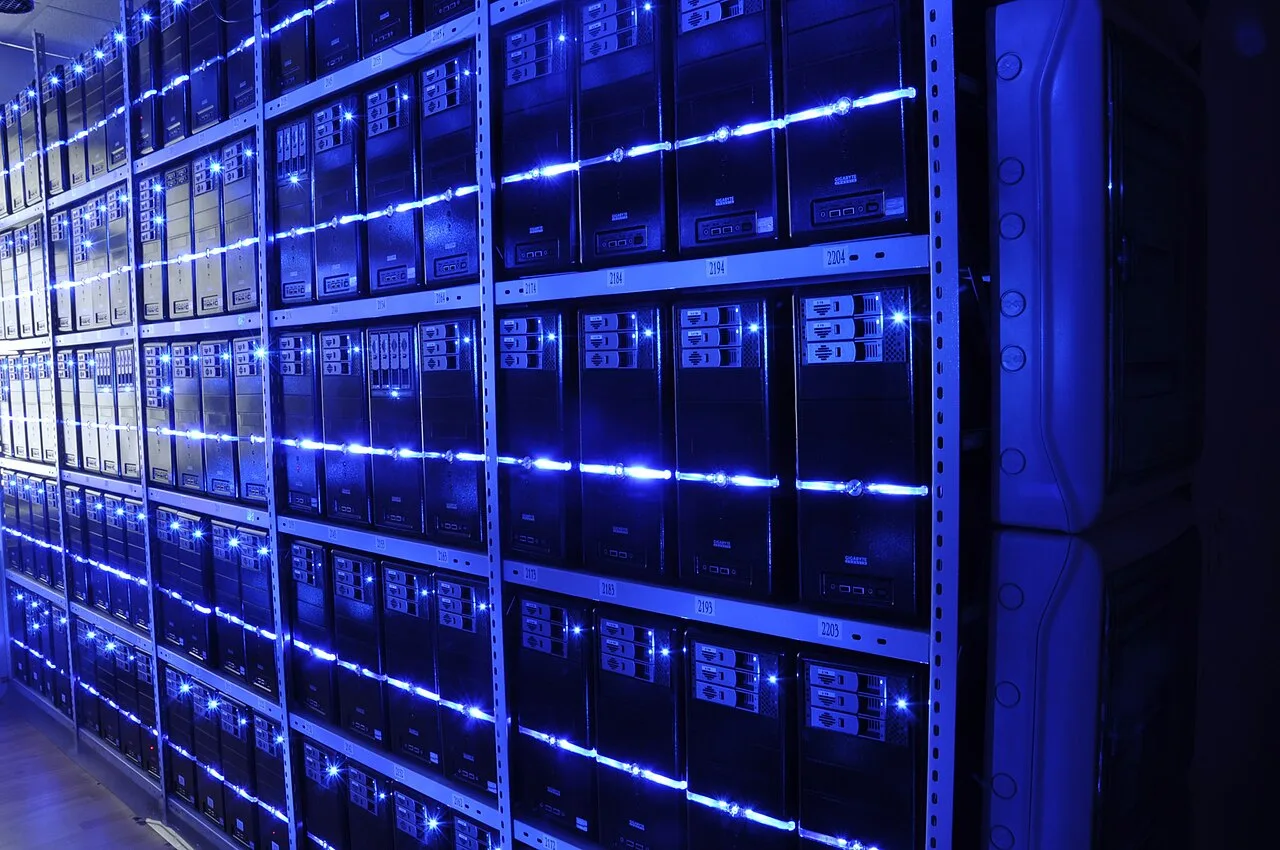
The datacenters built for the AI boom now carry a measurable climate cost. New research finds that the largest US facilities emitted about 25.7 million metric tons of carbon dioxide in a year, roughly what Denmark emits.
Backlash across the country
Public opposition shows little sign of fading. Near Memphis, a cluster of sites central to Elon Musk's AI plans has faced protests and lawsuits over noise and air pollution. Musk's AI company responded by buying homes of nearby residents.
Climate groups are alarmed as global heating worsens. Developers see it differently. They call the energy and water use marginal next to sectors such as agriculture and stress jobs and local taxes. Donald Trump has said people who oppose datacenter growth will end up “backwards and poor”.
Utah's Stratos project
In drought-hit Utah, the planned Stratos datacenter has drawn grassroots anger over its water use. A separate study commissioned by the Natural Resources Defense Council estimates health costs of up to $690 million a year if Stratos runs on the dirtiest fuel option.
On that fuel, Stratos would give off up to 3,140 tons of fine particles that look like soot. Such particles are tied to heart and lung disease. The plumes would reach beyond Utah, into Idaho, Wyoming, Colorado and Illinois.
The developers have planned combined-cycle natural gas, but reportedly are weighing renewables and other options. A new water application was filed by the project last month. It reportedly claims lower water demand than the property's historical farm use, which some environmental critics question.
What the study counted
The study, published in Nature Sustainability, covered 403 “hyperscalers”: the largest datacenters, used mainly for AI growth. It tracked one year ending in April 2025 and relied on federal government data. Gianluca Guidi led it.
Together these sites made up about 1.8% of US electricity consumption, using 68 to 99 terawatt-hours. The emissions total is two to three times an earlier estimate for 2018. Denmark, for scale, has 6 million people.
Where the power came from
More than half the electricity used by these facilities came from fossil fuels. To power AI growth, the sector leans on new gas plants, some built next to the sites, rather than on solar and wind that are already installed.
The demand is centered on states such as Virginia, Oregon, Ohio and Iowa.
Francesca Dominici, a Harvard professor of biostatistics and co-author, said: “Since 2025 there have been many, many more datacenters so we need to think of this level of emissions as a lower bound.”
Source: the Guardian