Thinktank Says Cheap Street Fixes Could Revive UK High Streets
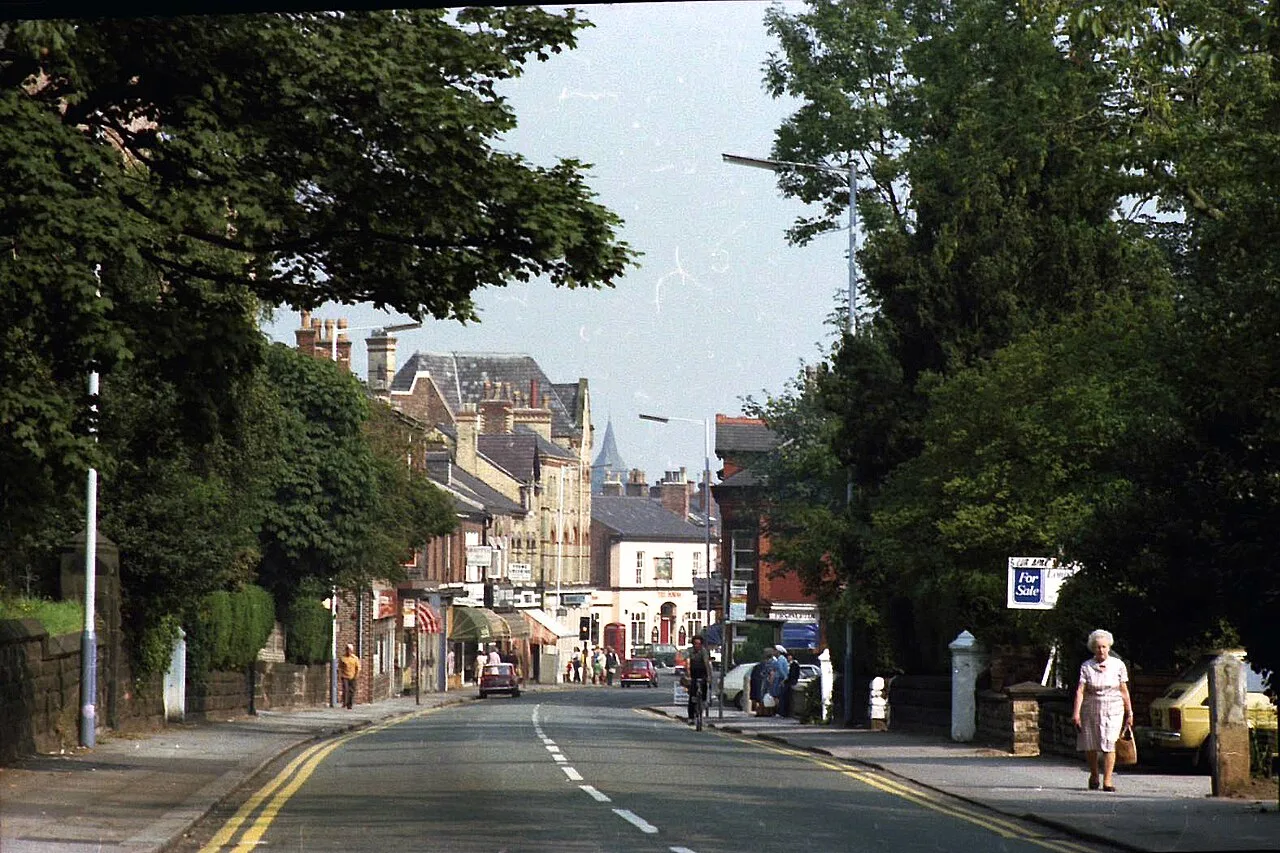
Britain has tried for years to rescue its high streets, usually with big budgets. A new report from the urban thinktank Create Streets argues that small, cheap changes to the street itself could do more, and the numbers it offers target the way councils use kerbside space.
Parking space versus bike bays
The study was co-produced with the bike storage company Cyclehoop. Its starting point is that town centres are too often "designed to be driven through, not for time to be spent in".
The authors put figures on the trade-off. In a market town, one parking space is typically used by about 3.5 vehicles a day. Nearby shops take a little over £73,000 a year from that traffic.
Give the same 12 square metres to nine share e-bikes and the picture changes. The report counts an average of 13 trips a day and more than £146,000 a year in spending. It makes that estimate after allowing for a lower average spend per person. In a busier city, where share bikes get more use, the total rises above £300,000.
Outdoor dining brings smaller gains. Even so, the report puts the extra in a city centre at about £120,000 a year.
Remove first, rebuild later
The report describes the default high street as engineered for traffic and furnished from a catalogue. Its examples are tarmac pavements, guardrails at the kerb, procurement-catalogue litter bins and rows of plastic planters.
The cure it proposes is mostly subtraction. It wants any item that cannot be justified to be removed by default. Taking out pedestrian guardrails beside roads, it says, is the most cost-effective upgrade for most high streets, since the rails are an eyesore with minimal safety benefits.
The authors also single out Secured by Design, the policy guidelines on cutting neighbourhood crime. Critics say they can lead to benches and plants being removed on police advice.
Their test for success is families. The report treats their presence as a sign of a healthy high street. It cites a simple check: can a parent safely let a young child roam free of their grip? Its answer is to remove the threat of speeding vehicles rather than soften the impact.
Examples and the government's fund
The report points to Altrincham in Cheshire. A walkable, car-free area there helped bring retail vacancies down from over 30% to 7% in less than a decade. It also cites an unused patch of land beside a church in Grimsby that became a park for less than £20,000.
Prime Minister Andy Burnham has pledged to try to reverse high street decline, and in September announced a £210m regeneration fund. Most of that money will go into buildings: old shops reused as shared workspaces or community cafes, and measures to keep pubs and clubs trading. The report counters that there is no point renovating buildings when the street outside is unappealing.
David Milner of Create Streets said ugly streets are not the result of councils lacking the will to change them. "The system is counting the maintenance liabilities, not the benefits," he said.
A spokesperson for the Ministry of Housing, Communities and Local Government said the government supports local leaders in deciding on pedestrianisation. The ministry pointed to its Hope on the High Street strategy and said funding is available for councils that want to pedestrianise or regenerate.
Source: the Guardian