Intel Investors File Class Action Over PC Demand Disclosure
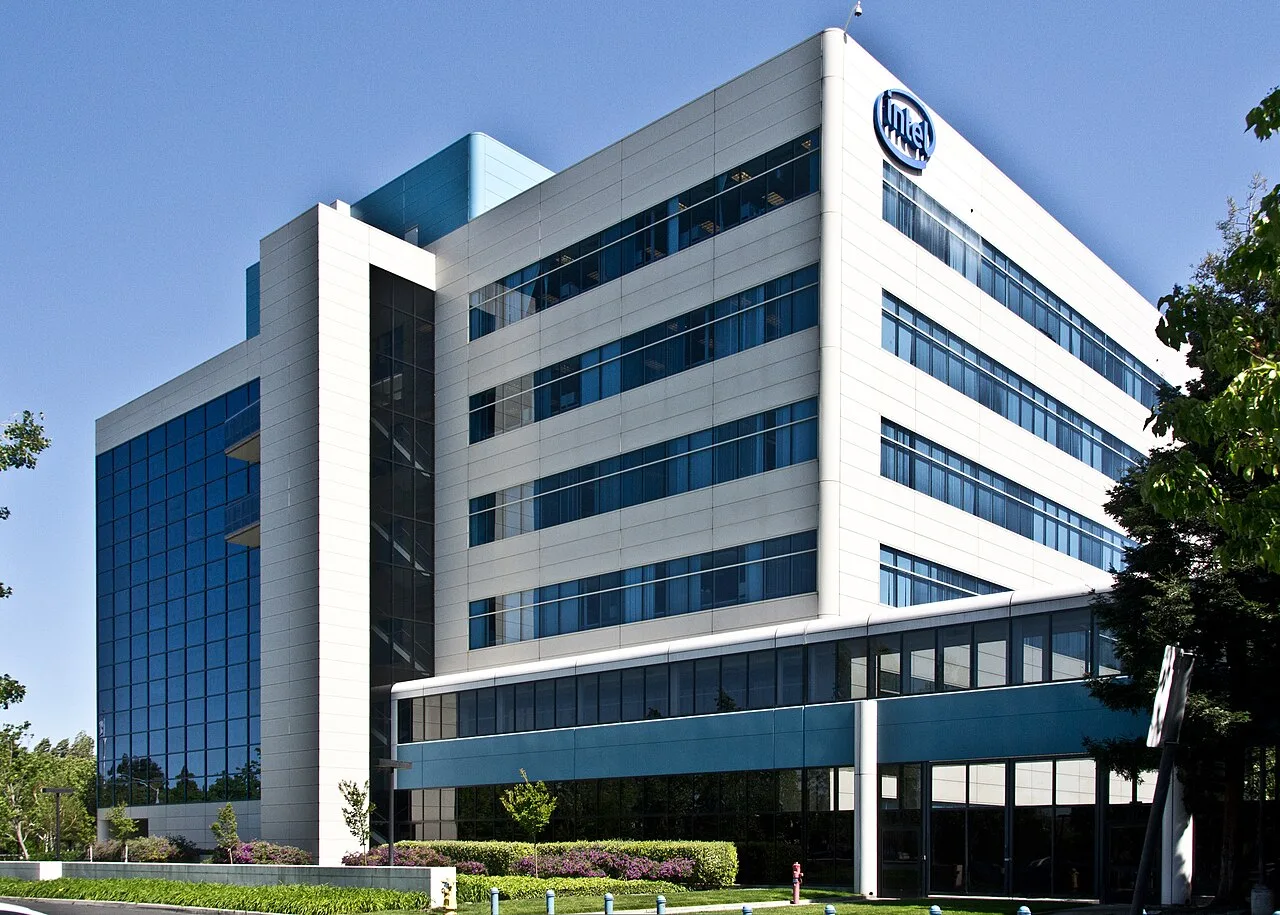
Made available with partner backing
Intel and its CEO and CFO now face a securities class action that turns on what they told investors about the PC business. The suit follows the stock's steep fall after the last quarter's results.
The numbers behind the complaint
Intel's Oct. 29 earnings report put sales in its CCPG segment at about $8.1 billion. That was down 9% sequentially, meaning against the previous quarter rather than a year earlier. The suit calls it a dramatic slowdown driven mainly by weak PC demand.
CCPG stands for client computing and physical AI group, the segment that houses PC sales and has long been Intel's strongest. On the earnings call, one analyst described the quarter as the worst third quarter for PCs that he had seen in at least 20 years, maybe more, sequentially.
The company also gave a forecast. CFO David Zinsner said: “We expect CCPG revenue to decline greater than 20% sequentially.” Customers, he said, were moving to cut weeks of inventory. Weak third-quarter revenue and the weak fourth-quarter outlook sent shares down by as much as 29% on the Friday that followed, reports said.
What executives said before
The complaint says CEO Lip-Bu Tan and Zinsner had admitted that AI-linked headwinds, such as pricier memory components, could hurt PC demand. In its telling, they also claimed that Intel's ability to raise prices and consumers' need to replenish diminished inventory would more than offset that.
The quarter's report showed flagging demand instead. Softness in PC sales, Zinsner warned, was expected to continue into the fourth quarter.
An inventory glut, as the suit tells it
The suit says higher CPU prices tied to the AI boom produced a glut of inventory. Distribution partners were stuck with PCs they could not sell to consumers, because rising component prices lowered demand. It adds that this weakened Intel's ability to offset lower volumes by charging more.
The squeeze comes from two directions. Intel has to serve rising CPU demand from AI data centers and from consumer machines at once. According to the suit, the data center boom has caused chip shortages, which in recent quarters raised component prices and cooled PC demand.
Who is suing, and where
The Southfield Fire and Police Retirement System is the plaintiff, represented by Robbins Geller Rudman & Dowd. The complaint is dated Nov. 13. It was filed in the United States District Court for the Northern District of California, San Jose Division, against Intel, Tan and Zinsner.
It says leadership failed to disclose adverse facts about the PC segment, among them an inventory glut and supply chain challenges. At the centre is the third quarter: the complaint holds that the PC slowdown hit Intel's CCPG results much harder than the executives had told investors.
Neither Intel nor the plaintiff's attorneys had replied to requests for comment at the time of writing.
Intel shares slipped by under 1% on Tuesday and closed at $55.17. A holdings report filed with the SEC on Monday shows Nvidia, an Intel investor, cut its stake by about 25%.
Source: CFO Dive