Bank Rate Rise to 4% Helps Savers and Squeezes Borrowers
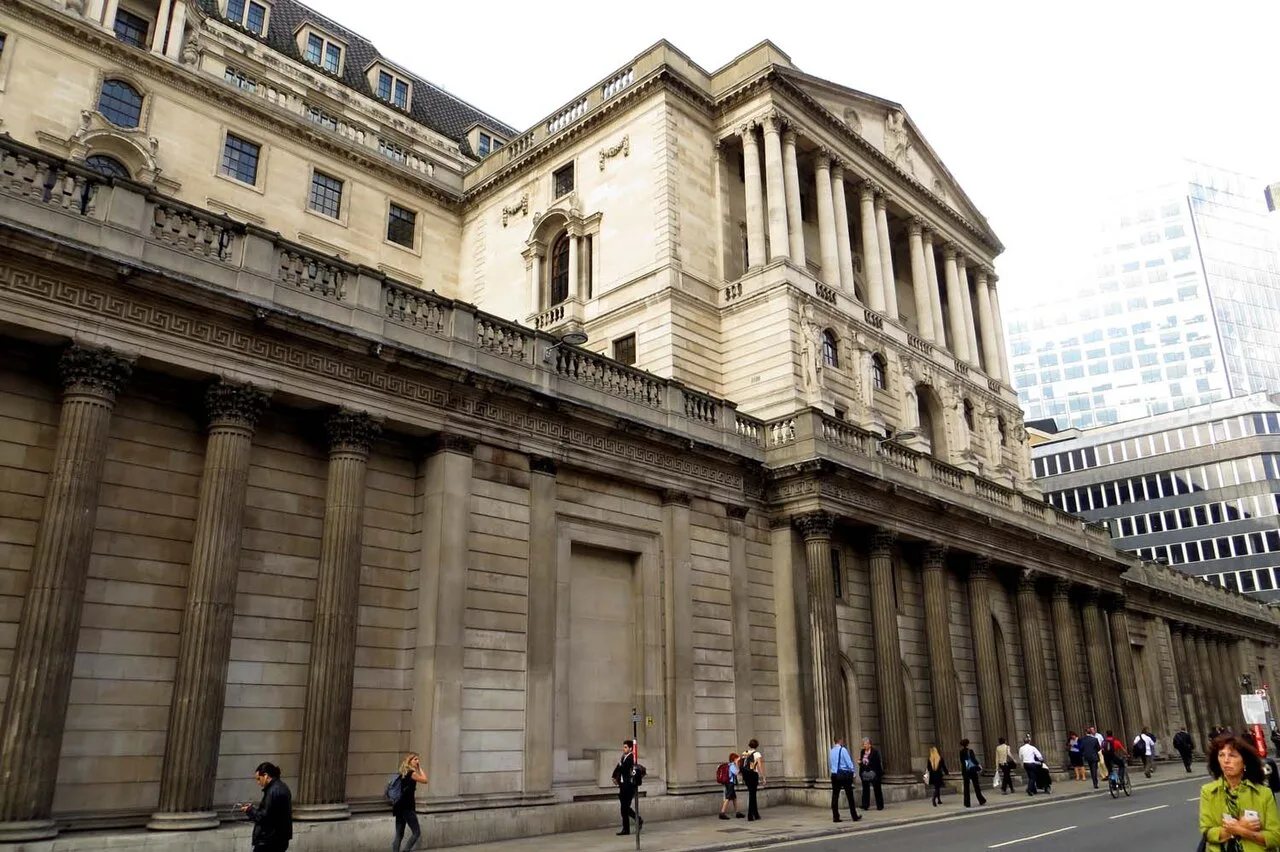
The Bank of England has raised its base rate to 4% from 3.75%, the first rise in more than three years. For a household, the cost lands first on the mortgage.
Mortgages: the split between tracker, variable and fixed
Tracker mortgages move in step with the Bank rate, so a rise reaches the monthly bill straight away. About 500,000 homeowners have one. A typical loan costs about £31 more a month, though the size of the loan changes that.
The 87% of mortgage holders on fixed deals see no change until the deal ends, usually after two or five years. New deals are another matter. Lenders had already priced in this rise, so the offers that come next depend on expectations for the Bank rate into next year.
Average fixed rates are much higher than predicted at the start of the year. For people remortgaging, that points to higher payments. Some have moved onto tracker deals instead, taking a view, with some risk, that the Bank rate will not keep rising through a series of further hikes.
Another 500,000 homeowners are on standard variable rates. They must wait and see whether their lender passes the rise on. Typically, that would mean an extra £14 a month for a quarter-point increase.
Savers can gain, but only if they act
Savings rates follow the Bank rate and where it is expected to go. Anyone putting money aside for a holiday, or for a home, could benefit.
Rachel Springall of Moneyfacts said savers who left a £20,000 pot in closed accounts lost an extra £139 over three years, compared with easy-access accounts on sale. A closed account is one no longer offered to new customers. Her advice, and that of other experts, is to move savings to the best rate available. She added that fixed-term deals are usually more lucrative.
Low rates through the 2010s meant poor returns for savers but cheap borrowing too. The report names one flip side now: renting while saving could cost more, because a higher Bank rate may well raise costs for landlords.
Firms: borrowing costs and hiring
Bank rate changes aim to keep price rises steady. The idea is that dearer credit leaves people less to spend, so shops sell less and prices rise more slowly.
Businesses feel this in two ways. Shoppers with tighter budgets can mean fewer sales, and a company that wants to invest pays more to borrow. Many small firms hold variable-rate loans linked to the Bank rate, and they say higher rates limit their ability to create jobs and raise wages.
Mitchell Barnes, founder and chief executive of Ryse 3D, which makes 3D parts for the defence and automotive sectors, expects the effect on staffing. "You're going to see reduced employment, more automation, more robotics being put into facilities," he said.
Source: BBC News