Satlyt Tests Task-Sharing Software Aboard a Spacecraft
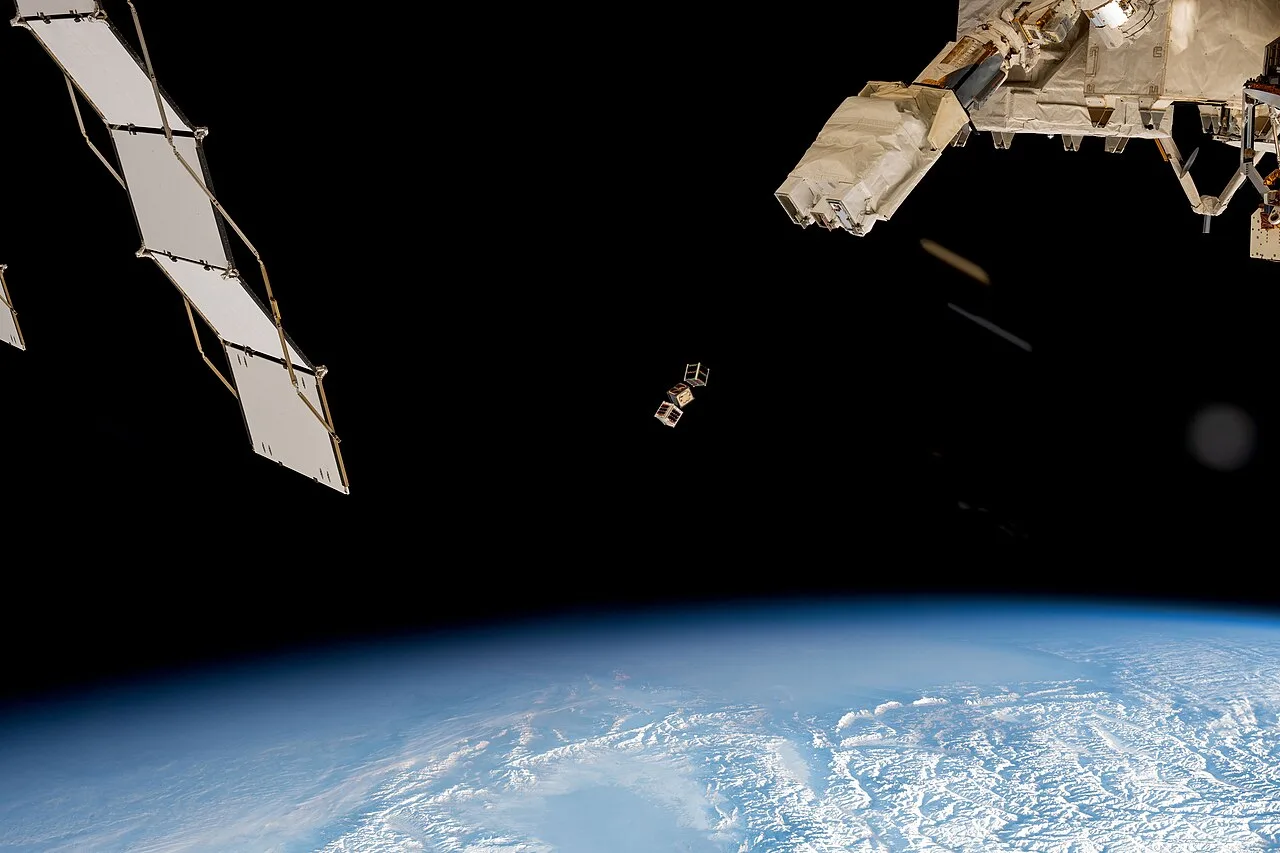
Satlyt, a startup that wants to turn existing satellites into networks that process data, reported a successful orbital test in October after 13 months of work. Founder Rama Afullo's first reaction, he said, was "Let's GOOOO."
It was part of a NASA-funded research project with the University of Houston. A simulated network held four computers, four users and eight services. Satlyt's software had to decide how to assign and run tasks on those machines, based on available compute and communication links. One physical computer aboard a spacecraft ran the experiment and sent the results back to Earth.
The test showed the software can generate plans on hardware in orbit. One planning approach performed best, though it needed more computing power than the others. "The finding is a trade-off," Afullo said.
What is still missing
The team also found a flaw. The software stamped each delay as the time a message arrived, not as the time it took to arrive, which is a different metric. Afullo said that does not mean the experiment failed. "The software development, onboard execution, and return of outputs succeeded," he said.
Satlyt still has to test its software under different workloads, hardware and connectivity conditions. Further tests will show how computers pass information to each other when several physical machines are involved. Afullo listed other needs: usable communication links, permission from participating operators, secure transfers, resource scheduling and recovery when a connection drops.
NASA has not selected the company for any mission or chosen it to deploy its technology. Afullo said NASA missions face the same limits Satlyt targets: scarce computing resources, intermittent communication and the need to get useful information back to people.
NASA has a networking technology of its own for sending data across space when links are delayed. The agency began using it in 2026 and has already tried it on aircraft.
The long-term goal is software that links several satellites and shares computing assignments among them. Users would only define permissions, priorities and operating limits. The software would decide within those limits. Satlyt's code already runs on three satellites in orbit.
Afullo, who previously worked at Google and SpaceX, founded the company in 2024. If a spacecraft spots a wildfire, such software can help it transmit the relevant information much faster. The next steps are broader validation and integration, then demonstrations of work shared across separate spacecraft. Satlyt is also studying uses beyond low Earth orbit, including 4K video streaming from the Moon under its NASA-funded work.
Satlyt was among the top five at TechCrunch Disrupt Battlefield this year.
Source: TechCrunch