Jack Dorsey on Reorganizing Block Around Intelligence
Prepared with the help of partners
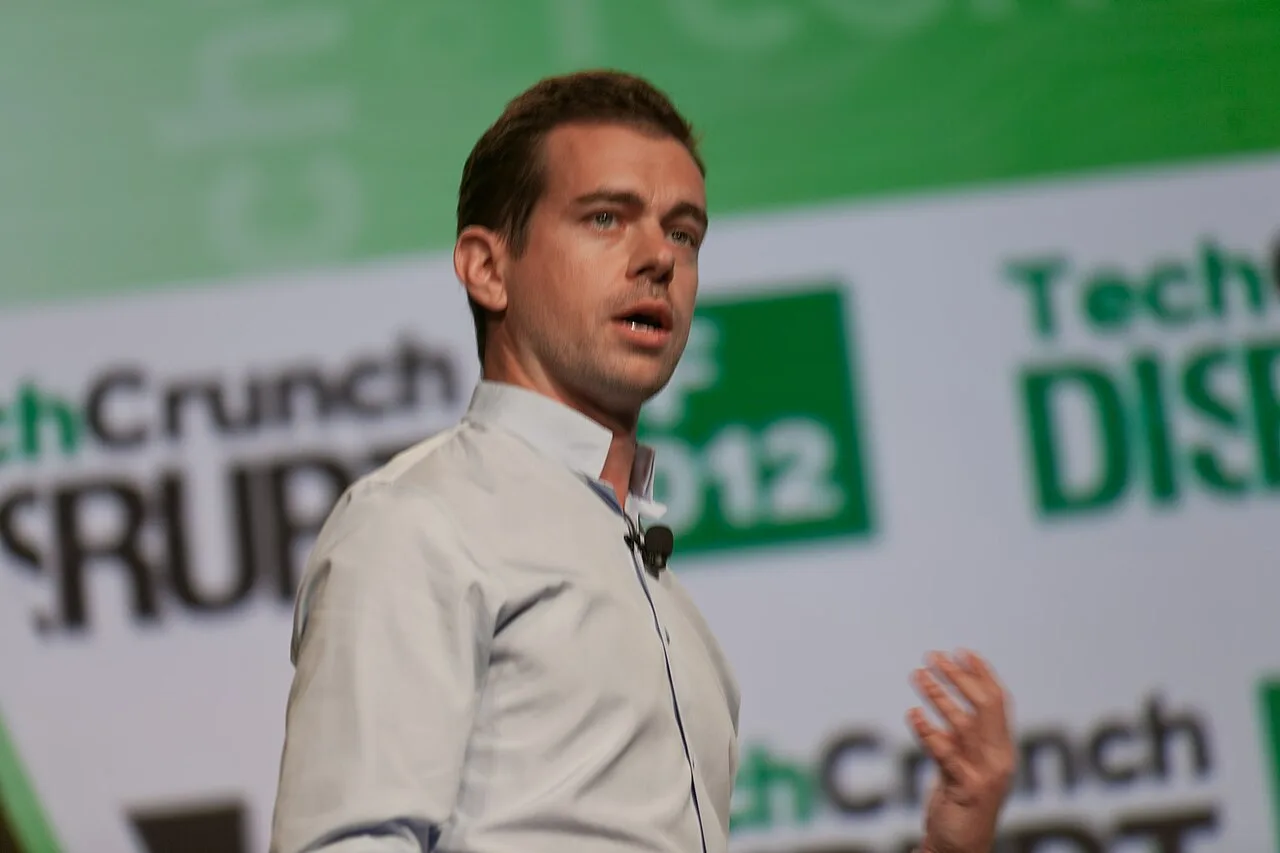
Block chairman Jack Dorsey explained how he is rethinking company hierarchies in an interview at the HBR Innovation Summit 2026. HBR frames the main obstacle to AI value as possibly the way a company is organized, not the technology.
A company as a technology
Dorsey's starting point is that a company is already a technology. Departments, meetings and reporting lines exist to move information and to spread tasks and accountability. He says Block borrowed its own playbook from Google, which borrowed it from Silicon Graphics.
Dorsey describes the hierarchy as a way to keep information moving as smoothly as possible. Yet the firm's knowledge lives in people's heads, so everything rests on those flows working, and on how quickly people can sort information, add context, push back and ask good questions.
Block is remote first, so nearly every interaction leaves a written trail. Dorsey says all of it can now be gathered in one place where anyone can query it and act on it at any time. That, he argues, reduces the need for a communication hierarchy.
Coaches instead of commanders
Block still has leads for engineering, design and finance. But he describes the job as coaching, not command and control. Individual contributors and directly responsible individuals get a lot of agency. With company-wide information in hand, they can build almost anything and stay close to the customer.
Dorsey sees this as the future company structure: flatter and organized around assignments. He adds that systems built on the company's knowledge can also predict the next actions the firm should take. Humans then decide whether to act.
His answer to the question of strategy is that humans sit at the edge of the central intelligence and keep aligning it with the company's values, purpose and strategy.
The 2024 reorganization by function
In 2024 Block reorganized around functions instead of business units. Dorsey says that was a return to how the company began in 2009, organized by discipline. Cash App had grown into a separate business next to Square, and the two ran as separate ecosystems. Standards across the company now make tools, policies and culture easier to share, he says.
The host noted that the later shift to organizing around intelligence involved layoffs this year. Dorsey did not dispute the disruption. He said he has often had to be comfortable with not seeming credible and that he seeks feedback from people who disagree with him.
How he keeps up
Dorsey says he spends three hours each morning reading. He opens arXiv and reads two or three research papers, sometimes only one. He also builds with AI tools to find their limits.
He is especially interested in world models. Block does not predict the next word, he says. It looks at money and transactions, which he calls an honest signal, to predict the next action a customer might take.
Block has also released open source agent tools, including goose. Within a month, he says, companies such as Stripe had forked it. He treats that as a sign of value, and sees a possible business in hosting, updating and connecting such tools to a client's compliance and security systems.
Advice for other leaders
For leaders outside technology, Dorsey says the start is personal: build a system that gives you time back or helps you learn. He argues that mindsets change when people are shown what is possible, not told. Start small, he says, such as one minute a day with a tool for two weeks.
On risk, he calls himself an optimist. He says no system is perfectly secure, and the only protection is to stay ahead of adversaries. His one worry is a significant concentration of power controlling this intelligence, though he says he does not believe that can happen.
The conversation opens a five-week series drawn from the summit. Later in it, FedEx president and CEO Raj Subramaniam will talk about putting AI to work at scale.
Source: Harvard Business Review