Bharat Semi Lands $24M Seed for Smart Sensors
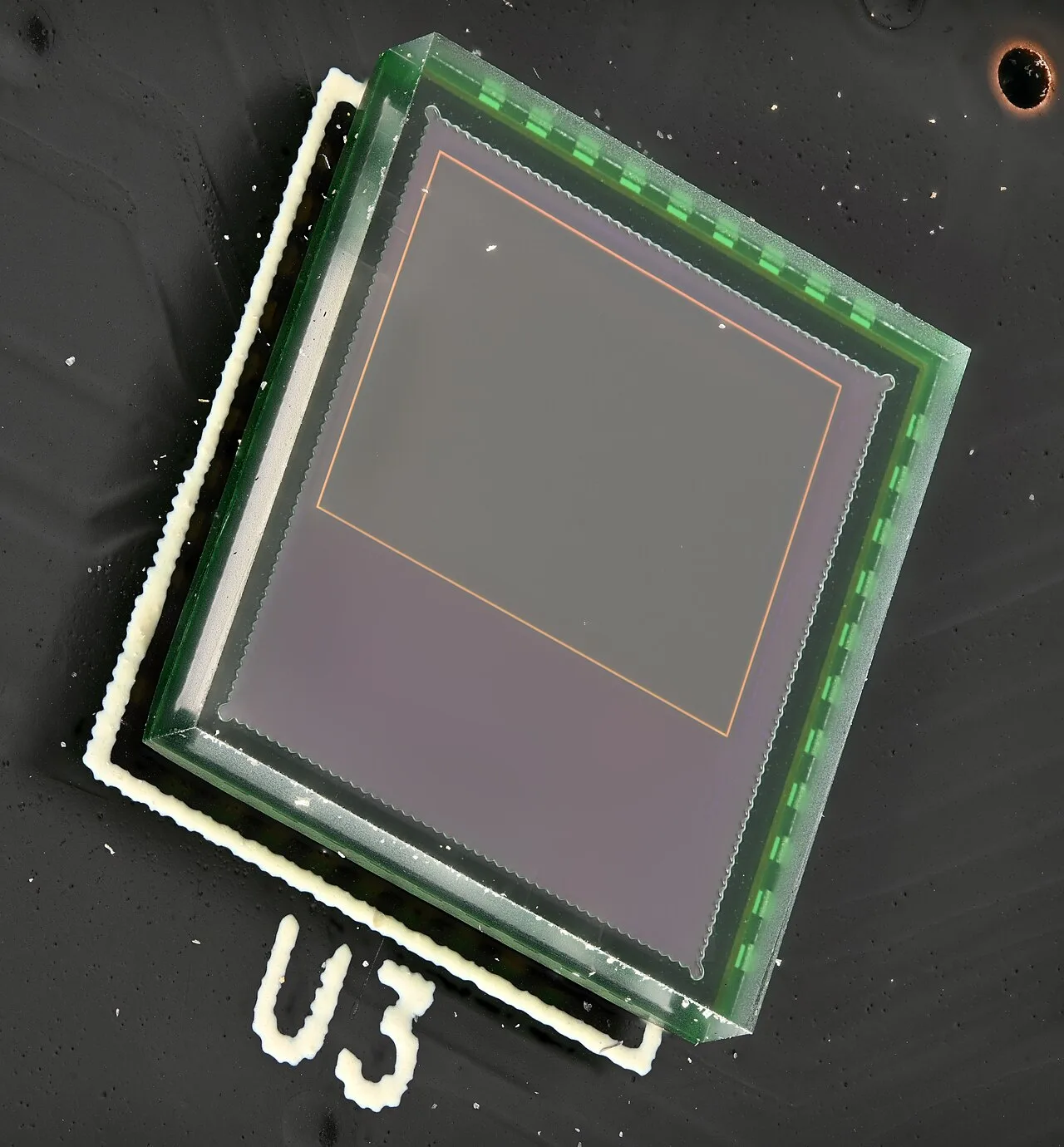
Bharat Semi, a Bengaluru semiconductor startup, has raised $24 million in seed funding to build programmable smart sensors for robotics, drones, intelligent vehicles and other physical AI systems. It wants to combine sensing and AI processing in a single solution, and the product is not yet on the market.
A crowded field
The company will compete with established players such as Sony Semiconductor Solutions of Japan and the US firm OmniVision. Newer startups Oculi and Prophesee, the latter French, are also in the field.
Grand View Research is cited for the market outlook: image sensors at $49.8 billion by 2030, growing 7.7% a year, and AI sensors at $139.4 billion by 2033, growing 48.8% a year.
The problem it addresses
Before AI, sensors mostly captured data and handed it to separate systems to interpret. Now AI is moving from the cloud into physical devices. That raises demand for hardware that can decide on the spot, using less power and moving less data.
According to the startup, its programmable sensors can be tuned to different uses and AI models. It says they reduce the data passed between components by up to 99%. It also claims system costs up to 10 times lower than conventional multi-chip modules.
What a smart sensor could do
The examples are everyday ones. A sensor could control a ceiling fan based on what it sees of a sleeping person. A door camera could send an alert when a person or parcel arrives. A drone could be warned of an obstacle in its path. Each would work without sending data elsewhere.
The money and the people
Info Edge Group, South Park Commons and Indus Bridge Ventures led the round. Micromax, Valour Capital and the New York firm Gaingels also took part, along with the angel investors Mukul Agarwal and Kartik Iyer. The $24 million is around ₹215 crore.
The company was founded in 2021 by Vrinda Kapoor and Vinayak Dalmia.
The funds go to the next generation of products, engineering teams in India and the US, and work with global customers.
Consumer electronics and surveillance come first, because cost, power and latency matter most there. Robotics, automotive, aerospace and defence are planned for later.
Source: Inc42