Notion Wants to Teach AI How Your Team Works
Your daily brief on leadership and business
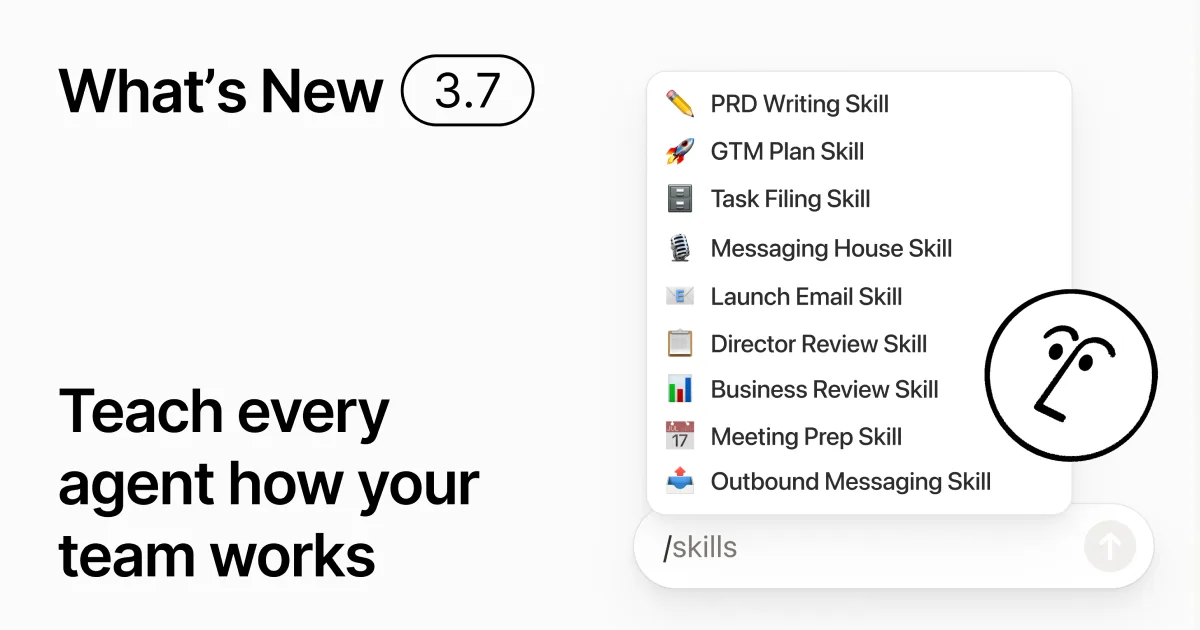
Every team has unwritten rules: how a status update should look, what goes into an executive brief, which details the boss always asks about. Notion’s latest release, version 3.7, tries to write those rules down for the machines. The update centres on skills, which Notion describes as reusable instructions that teach AI how your team works.
Skills, shared and reused
Users can build a skill by describing it to Notion Agent in chat, or let Notion suggest skills based on existing work. Skills live in a shared library organised as a Notion database, so a team can share one skill or the whole collection and everyone stays on the latest version. Running one is as simple as typing a slash in an agent chat, adding context and pressing go, and skills can also run automatically. Templates include an exec-ready skill that turns a draft into a brief covering the takeaway, decisions, risks and asks, and another that turns raw notes into a product requirements document. Finally, a way to make meeting notes useful without anyone volunteering.
Skills can also be downloaded to local agents such as Claude Code, Codex, Cursor, Gemini or Grok as SKILL.md files, with a badge flagging when a Notion skill has been updated.
Agents that delegate to agents
The release also lets a Custom Agent hand work to other Custom Agents, each with its own instructions, access and model. Notion cites Remote, which it says runs its IT help desk on five agents this way and saves $500k a year. On Business and Enterprise plans, agents can start automatically when a meeting summary is ready to write status updates, file action items or route customer feedback, and new tool connections through Custom MCP require user approval before changing anything.
Other additions include a Notion Agents iOS app for capturing ideas and voice notes on the go, a redesigned model picker showing speed, intelligence and cost, embedded agents inside documents, an inbox catch-up feature that groups notifications and flags priorities, and AI Search that is 50% faster for business customers. The bigger idea is that productivity no longer depends only on a good template. It depends on whether a team can explain its own habits clearly enough for an agent to repeat them.